Raccoons may eat rats or mice when they have the chance, but they do not usually hunt them as a main food source or provide reliable rodent control around a home.
When you hear noises in the attic or see signs of rats or mice around your home, it is normal to wonder if a raccoon will help with the problem. Many people ask if raccoons can reduce rodent populations or act as a natural form of pest control.
At Titan Pest Pro, we frequently address this question during our wildlife and mouse control services. Many families want a safe and simple fix, and the idea of a raccoon catching a rat sounds helpful at first.
The truth is more complicated, and it is beneficial to understand how raccoons behave, what they eat, and why they visit homes in the first place. Our team addresses both wildlife and rodent issues in Springfield, Kansas City, and nearby towns, allowing us to observe how these pests interact.
This guide explains the facts clearly and straightforwardly. You will learn if raccoons eat rats, if they act like natural pest control, and why a raccoon is not the answer for a growing rodent problem. You will also see why professional help is the better choice for your family and pets.
If you’re hearing raccoons AND seeing rodent signs, you likely have two separate problems — and neither goes away on its own.
Book a free inspection. We’ll identify what’s actually in your attic, find how it’s getting in, and tell you what it takes to clear both out. No charge, no obligation.
If it turns out you have a genuine rodent problem rather than (or in addition to) raccoons, here’s what you need to know about whether mice or rats bite humans. And before treating anything, it helps to know what food is actually attracting mice to your property.
Yes. Raccoons do eat rats or mice when the chance appears. A raccoon may grab a rat, a mouse, or other small mammals while looking for food. They are strong hunters when they want to be, and they use their paws to catch prey. Even with this habit, they do not remove rats or mice from a home in a dependable way.
Raccoons have a wide diet. They eat fruit, insects, bird eggs, frogs, crayfish, small animals, and many other items they find around your home. They behave like omnivores and eat what feels easy that night. A rat or mouse is only one part of their long list of food choices.
Most raccoons prefer leftover food, pet food, bird feeder spill, or scraps from a trash bin. These items take less effort than catching a rat, so a raccoon will usually scavenge first. For this reason, you cannot expect a raccoon to reduce a rodent infestation. The two pests often share the same spaces because both enjoy similar food and shelter.

A raccoon hunts rats or mice when a quick meal appears. If a rat or mouse moves close to a raccoon during its nightly search, the raccoon may grab it. This happens more often when the rat or mouse runs through the same attic or shed where the raccoon already sleeps. These animals cross paths because both seek warmth, food, and shelter.
Sometimes food runs low outdoors. During the winter, natural food sources shrink. When this happens, a raccoon may hunt small animals more often, including frogs, mice, and even young rats. Every case varies, yet the behavior stays the same. A raccoon takes what feels easiest.
Even with this hunting habit, raccoons do not steadily chase rodents. They do not patrol a home like a pest control plan. They only act when a chance appears, which makes them unreliable when you want a rodent problem gone.

No. Raccoons do not act as a steady pest control. They may eat a few rodents, yet this does not make a difference when a home has ongoing rodent activity. Rats and mice reproduce at a fast rate, and one raccoon will never keep up with that pace.
You might liken that type of “pest control” to a coyote in the wild. Coyotes eat mice and rats, and also, when the opportunity exists, savors racoons. Raccoons will eat, typically, the foods they scavenge. They don’t eat mice or rats unless the opportunity presents itself.
Moreover, raccoons visit homes for easy meals. They raid garbage cans, bird feeders, and pet bowls left outside. These actions leave food scraps behind. Food scraps attract even more rodents, which means a raccoon can actually contribute to the growth of a rodent problem. It surprises many homeowners, yet we see it often during wildlife visits.
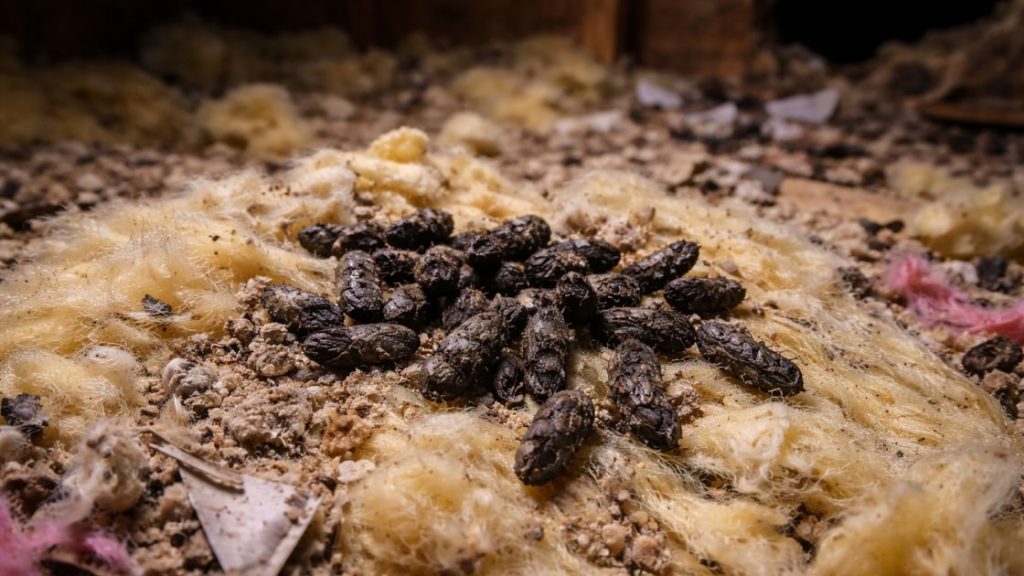
Raccoons also carry parasites and bacteria that can pose a risk to humans and their families. These include roundworm and other pathogens found in droppings. A raccoon can pass these to pets or small children if droppings remain in an attic or yard. For these reasons, raccoons do not contribute to effective pest control. They create more work and more risks. As a result, professional raccoon removal is necessary.
Raccoons do not keep rats away. A raccoon’s ability to do this is limited, at best. Both pests are drawn to the same places. When food sits outside or spills from a bird feeder, the scent reaches both rodents and raccoons. They both move in to grab the food and stay nearby. This allows a rodent problem to grow faster, especially when leftover food sits under a deck or near a shed.
Food scraps, leftover pet food, and open trash cans give rodents the perfect reason to remain near your home. Raccoons are known to eat the same food sources. However, this does not deter the rodents. The two pests share the space. We often observe this pattern during inspections in Springfield, Kansas City and the surrounding areas.
Raccoons focus on easy meals. Rats do the same thing. When your yard or attic offers multiple food sources, both pests tend to settle in. This creates a more substantial infestation and bigger risks for your family. Animal control is necessary to prevent raccoons from entering attics in residential spaces. You need raccoon removal and rat control if these animals settle in your food.
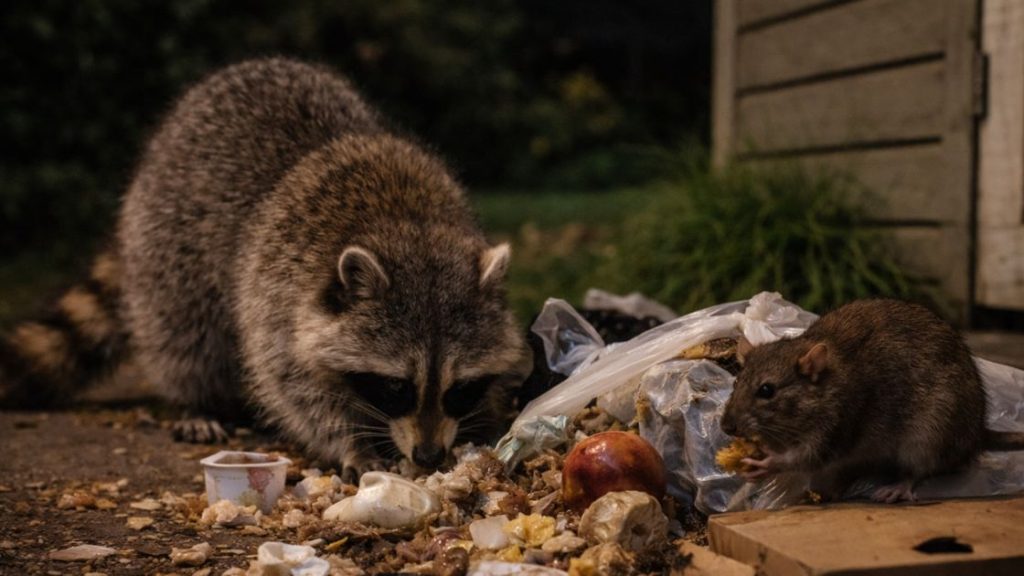
Yes. Raccoons and rats can live in the same attic, shed, or crawl space. They do not fight for territory in a way that stops one from staying. Both pests enjoy warm, dark spaces. Both pests look for dens or hiding places. Many homes have small gaps, roof openings, or ventilation issues that allow both animals to enter.
Raccoons often create large openings around roof lines. Rats use those openings later and build nests inside insulation or behind storage boxes. A raccoon may not notice the rodents at all, or it may ignore them most of the time. This shared space is more common than many homeowners expect.
If you hear light scratching and heavy thumping at night, you may have both pests visiting. Rats make quick scratching noises in walls or ceilings. Raccoons make slower, heavier sounds and move like a larger wild animal. These mixed sounds are a strong sign that you need an inspection soon.

Yes. It can become hazardous for your family, pets, and property. Raccoons carry pathogens that can harm people. Roundworm eggs in raccoon droppings are a risk because they can spread through dust inside an attic. Rats also pose their own health risks. They can spread illnesses through droppings and urine.
Both pests damage a home. Rats chew wires and can cause fires to spark. Raccoons tear insulation, ducts, and vents. These repairs grow costly when pests remain for long periods. Homes with older construction face higher odds of hidden damage.
Pets can face danger too. A raccoon may act aggressively if cornered. A rabid raccoon can behave strangely and may bite without warning. Even a healthy raccoon may injure a small pet if it feels trapped near a deck or shed.
When raccoons eat rats, the act itself is not the concern. The concern is the shared space, the droppings, the bacteria, and the damage left behind.
Homes draw both raccoons and rodents when food and shelter sit nearby. Bird feeders spill seed. Pet bowls left outside provide easy access to meals. Garbage cans left open emit strong odors. Compost piles and food scraps do the same thing. These items bring pests into the home.
Shelter plays a large part, too. Raccoons enjoy areas under decks, near sheds, and inside attics. Rats follow those paths and slip into smaller openings. Homes near woods, creeks, or ponds also attract raccoons because these wild animals enjoy places close to water.
A raccoon may hunt frogs, crayfish, or small mammals in nearby water sources. Later, it may climb into an attic to sleep. Rodents follow the same route in search of warmth. These combined attractants invite both pests.
No. Feeding raccoons creates bigger problems. Some homeowners believe that leaving food outside will deter raccoons from targeting rats. The opposite happens. Food outside trains raccoons to visit daily. That activity leaves scraps on the ground, which draws in even more rodents.
Feeding raccoons teaches them to depend on human food. This creates aggressive behavior when the food stops. A raccoon may return to your yard and search near your deck or shed. These habits raise the chance of a dangerous encounter.
Feeding raccoons also increases the risk of a rabid raccoon visiting. When word spreads in the wildlife community that human food sits on a porch, many wild animals arrive. This creates genuine safety concerns for families with children and pets.
DIY plans rarely solve wildlife or rodent problems. Raccoons are strong and smart. Many traps fail when the raccoon flips or breaks them. If a mother raccoon lives in the attic, she may return even after removal, searching for her young. This leads to damage and odors inside the home.
DIY rodent traps catch a few rats or mice, yet the nest stays hidden. Rodent nests often hold several young rodents. If the nest stays in place, the rodents return fast. Many homeowners attempt to seal holes without identifying every entry point. When a few holes remain, rats return within days.
Working with wildlife and rodents can place you in contact with droppings, hair, and bacteria. This contact can cause health issues. A DIY plan cannot replace a full inspection, sanitation, and exclusion strategy. That is why many families call Titan Pest Pro after trying the DIY approach first.

Raccoons are sometimes opportunistic and do eat rats or mice; however, they do not effectively resolve a rodent problem. They act like wild animals looking for the most leisurely meal, preferably from dumpsters. Rats and mice remain active even when raccoons are present, and both pests pose health risks and cause damage to homes.
Titan Pest Pro protects homes, businesses, and families in Springfield, Kansas City, and nearby areas with effective wildlife and rodent services. We carefully remove raccoons, stop rodent nests, and keep homes protected from rodents like mice and rats, as well as wildlife, with long-term plans. If you hear noises in your attic or see signs of pests around your home, our team is ready to help.

The following FAQ will give you a better idea of what to expect.
Raccoons may grab live rats or eat dead rats they find during their food search. Like rats, they eat a variety of food sources. They eat small animals, whether dead or alive. This may prove unfortunate for a possum pretending to be dead.
No. Rodents return even when raccoons visit the same area. Both eat almost anything, regardless of where they find it.
Trash bins hold food scraps, leftover food, and strong scents that attract raccoons quickly. Raccoons are also attracted to pet bowls containing food. Additionally, they eat food that may appear after a rain or food in water. Nearby streams attract raccoons to catch fish. Besides garbage bins, raccoons also eat frogs and crayfish.
Yes. As noted, pet food left outside attracts raccoons and rodents to your home.
A raccoon may injure a small pet if it feels cornered or threatened. In addition, although it’s rare, a raccoon may kill a cat, especially kittens, and eat the meat of domestic pets.
Secure the trash, remove food sources, and contact our team for wildlife exclusion services. Raccoons are nocturnal, so they can cause a lot of noise indoors, which leads to sleepless nights.
Some raccoons may carry rabies. Any unusual behavior requires prompt assistance, especially when animals like raccoons exhibit atypical behavior.
Call once you hear noises in the attic or see droppings, scratch marks, or damaged siding. You need to call Titan Pest Pro about these omnivorous animals. Raccoons’ behaviors can lead to several messes.
Raccoons and rodents create more problems when they stay for long periods. A professional team provides a label-directed, dependable way to remove both pests and prevent new activity. At Titan Pest Pro, we address wildlife and rodent issues using proven methods and label-directed solutions.
Our team checks the attic, crawl space, roof line, and yard for signs of raccoon dens and rodent nests. We look for paw prints, droppings, and entry points. We follow Missouri rules for wildlife removal and use exclusion methods that keep raccoons out. Once the animals are out, we seal your home with long-lasting exclusion work.
Rodent work includes sanitation, nest removal, and trapping plans. We create a plan tailored to your home and schedule. This helps stop wildlife and rodent problems before they begin.
Homeowners, property managers, and business owners trust our team because we focus on label-directed treatment, local knowledge, and real results.