Discovering spiders in your basement is one of the more common bug problems homeowners encounter. If you are not sure what you are looking at, see brown recluse vs. wolf spider for how to tell them apart. While there are some spiders that are good for controlling local insects, there are many species out there, like the black widow or brown recluse, that pose serious health concerns should they bite anyone. This is why it’s important to get rid of spiders in your basement and repel these arachnids from your house to protect everyone inside. Not sure if what you found is a recluse or just a common house spider? We break down the differences.
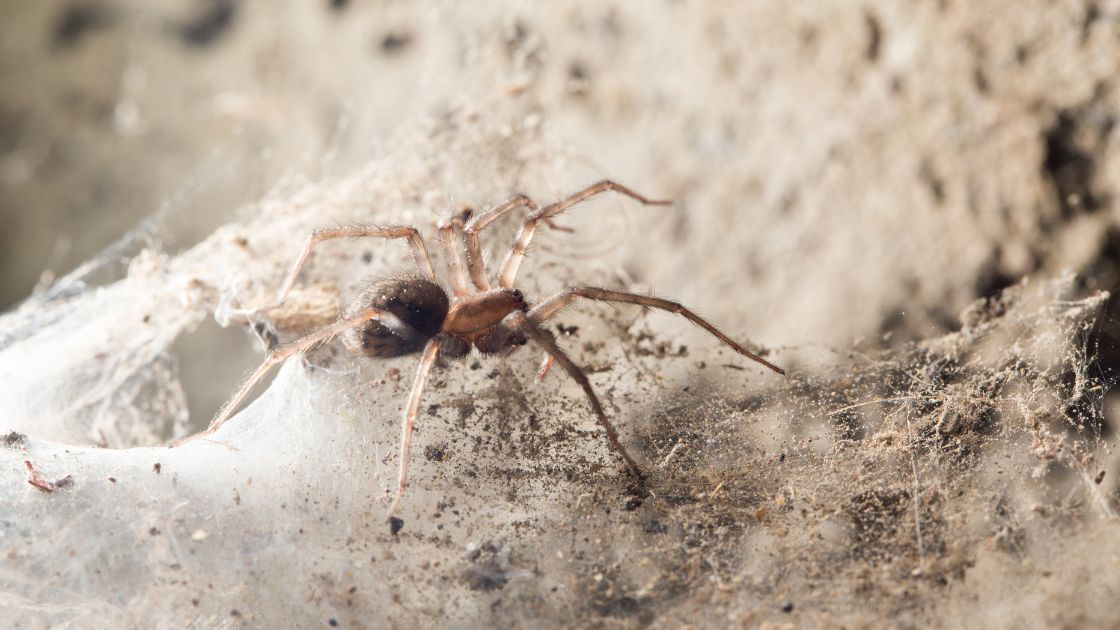
Our expert team at Titan Pest Pro has come up with a list of things that any homeowner can do to help prevent these insects. If, however, the problem persists, fear not. Know that we are only a phone call away to assist you.
Before we get into solutions, it’s important to understand why spiders love basements. Spiders seek out places where they can find food, shelter, and a little peace and quiet. As you’ve guessed, a basement offers all of these. Here’s why:
1. Dark, Damp Environment
Spiders are nocturnal creatures, so they thrive in dark, quiet spaces where they won’t be disturbed. Meaning that dark spaces beneath the earth are often the perfect environment for them.
2. Plenty of Hiding Spots
Basements often have a lot of clutter—boxes, old furniture, or forgotten storage. These areas give spiders plenty of hiding spots where they can build their webs without fear of being disturbed.
3. Availability of Food
Spiders feed on insects, and basements are often home to ants, flies, and other pests. If you have a food source for spiders, they’re likely to stick around.
One of the key aspects of controlling any insect is understanding them.
One of the easiest ways bugs get into a house is through tiny cracks and gaps in the walls, windows, or doors. While these entry points might seem insignificant, they provide a perfect access route for creepy crawlies to make their way inside.

What You Can Do: Check the foundation, windows, and doors for any cracks or gaps. Use caulk or weatherstripping to seal these entry points.
Spiders, like most pests, prefer moist environments. If your basement has high humidity or areas that are consistently damp, it becomes a welcoming environment for spiders and other pests.

What You Can Do: Consider installing a dehumidifier to control moisture levels. You can also fix leaks and ensure that the space is well-ventilated to reduce humidity. By keeping the area dry, you’re creating an inhospitable environment for pests like spiders.
Spiders love cluttered spaces where they can hide and build their homes undisturbed. Old boxes, unused furniture, and piles of laundry create the perfect hiding spots for these creepy crawlers.

What You Can Do: Regularly clean and get rid of unnecessary clutter. If you’re storing items in your basement, try to use plastic bins instead of cardboard boxes. These bins are easier to clean and harder for spiders to get into.
If you’ve noticed webs in your basement, you’re likely dealing with a spider problem. These are where they will lay their eggs, further emphasizing the need to get rid of them.

What You Can Do: Regularly remove any visible webs and egg sacs you find. You can use a broom or vacuum to gently remove them from corners, shelves, and other places where spiders like to nest. By doing this, you reduce the number of potential spiders that can take up residence in your home.
Spiders love hiding in small, dark spaces like corners, cracks, and crevices. These areas are also where spider webs tend to build up.

What You Can Do: Regularly vacuum these spaces. Using a vacuum with a hose attachment can help you reach tight spots. Not only will this deter spiders, but it will also help keep your space clean and free of other bugs.
If you’re looking for a label-directed way to deal with spiders, diatomaceous earth might be the solution. Used according to label directions, this powder kills insects and spiders that cross it.

What You Can Do: Sprinkle diatomaceous earth around the perimeter of your basement and in areas where spiders are likely to enter. It works by dehydrating them, killing them without the use of harmful chemicals.
If DIY methods aren’t enough, a commercial insecticide spray can help eliminate spiders and prevent them from returning. These spray bottles or cans are designed to kill spiders on contact and provide residual protection.

What You Can Do: Choose a label-directed option designed for indoor use. Make sure to follow the manufacturer’s instructions and apply it in areas where spiders are most active, such as corners, windows, and doors.
Spiders are nocturnal creatures, so they tend to avoid well-lit areas. By installing bright lighting in your basement, you can make the space less inviting to them.

What You Can Do: Consider adding motion-sensor lights or simply leaving a light on in at night. This will discourage spiders from entering and may even reduce other bugs that spiders prey on.
Another easy way for spiders to enter your house is through vents and windows. If these openings aren’t properly sealed, they create an easy pathway to get inside.

What You Can Do: Install screens on your basement windows and vents. Make sure the screens are intact and free of holes that could allow spiders to sneak through. This will help keep spiders out while also improving ventilation.
Landscaping around your home plays a big role in preventing insects from entering. If your lower windows are surrounded by plants, bushes, or debris, you’re providing a perfect pathway for spiders to make their way inside.

What You Can Do: Trim back plants and bushes around your windows and foundation. Clear away debris and leaves to eliminate potential hiding spots. By doing so, you’ll create a barrier that makes it harder for spiders to gain access.
While DIY methods can be effective, like peppermint oil as a repellent, sometimes professional help is needed. If you’re dealing with a severe spider infestation or if your efforts to get rid of spiders in the basement aren’t working, it may be time to call an expert.
At Titan Pest Pro, we specialize in providing complete, careful services that are tailored to your home’s specific needs. Our experienced team can identify the root cause of your spider problem and implement a long-term solution that ensures your space stays spider-free.
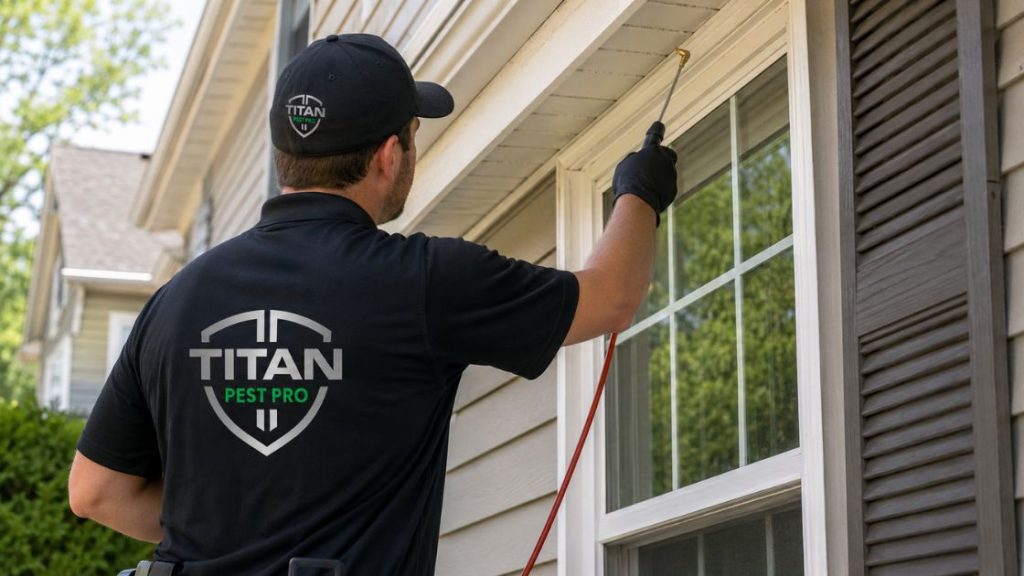
We know how problematic spiders or any announce can be. This is why we always create customized solutions to address the root of the cause. This ensures that the problem doesn’t come back, giving you peace of mind for the future.
We also pride ourselves on selecting and applying products according to label directions and explaining preparation, re-entry and household-specific precautions before service, all while providing effective results. Our knowledgeable team will make sure the right solution is used for your situation. If a pest is covered by your plan and it comes back between scheduled visits, we re-service at no additional charge. Coverage varies by plan.
In the battle against spiders, a combination of DIY solutions and professional services can go a long way. By following the tips we’ve outlined above, you can reduce the chances of spiders making their way into your home. However, if you’re looking to get rid of spiders in your basement or find yourself facing a persistent spider problem elsewhere, don’t hesitate to call in the experts.
For reliable spider control services, contact Titan Pest Pro today and ensure a spider-free future.
Not sure which spider you are dealing with? See our guides on does vinegar kill spiders, common spiders in Missouri.Springfield & Kansas City, MO
Pests don’t go away on their own — they multiply and spread while the underlying cause goes untreated. A trained technician can identify what’s actually going on and put a real plan in place.
Book a free inspection. We’ll check the active runs and get you a plan quote right over the phone. No charge, no obligation.
Near you: Spider control in Springfield, MO · Pest control cost in Kansas City, MO