

The smells cockroaches hate most are peppermint, eucalyptus, tea tree, lavender, and citrus, along with bay leaves, cinnamon, and cedar. These scents can steer roaches away from a clean area for a while, but none of them clear an infestation or reach the eggs hidden inside walls and appliances.
That difference matters, because cockroaches can quickly get into your house and bring real health risks with them. Below are 30 scents that roaches tend to avoid for a short time, what vinegar and Pine-Sol actually do, how to get rid of the smell roaches leave behind, and when it is time for real cockroach control.

Cockroaches are resilient insects found in many parts of the world. The most common species include the Oriental, German, and American cockroaches. Each species has its unique habits, but they all share a preference for warm, dark, and moist environments. They are nocturnal, meaning they are most active at night when they search for water and food sources. They thrive in places like kitchens, bathrooms, and basements, where they can find the resources they need to survive and reproduce.
Cockroaches are attracted to environments that offer easy access to food, water, and shelter. They can enter buildings through tiny cracks and crevices, making it easy for them to invade your space. Once inside, they can quickly multiply, leading to large infestations if not addressed promptly. Understanding the biology and behavior of cockroaches is essential for effective pest control and prevention.
Springfield & Kansas City, MO
Scents repel the roaches that reach them. They don’t reach the nest — and a single German cockroach female can produce hundreds of offspring. If they keep coming back, the colony is somewhere you can’t get to.
Book a free inspection. We’ll find where they’re actually living and tell you what it takes to clear it. No charge, no obligation.
Near you: Cockroach control in Springfield, MO · Cockroach control in Kansas City, MO
If the roaches you’re dealing with are dark, shiny, and turning up in damp basements, you may be looking at oriental cockroaches specifically — see how to get rid of oriental cockroaches.
Missouri’s climate creates steady pressure from cockroaches year-round. From urban apartments to suburban estates, properties require specialized pest control in Kansas City and Springfield to stay ahead of infestations. Homes, restaurants, and offices all face risk, even clean ones.
Roaches enter through
Once inside, they spread quickly. Early action keeps a small issue from becoming a major problem.
Cockroaches rely heavily on scent to survive. They use it to locate food, water, and safe hiding spots. Their antennae are packed with scent receptors, far more sensitive than ours.
When a strong odor fills an area, those signals become confusing. Roaches struggle to follow scent trails and often retreat. Oils like peppermint or eucalyptus interfere with how they sense their surroundings.
Still, this reaction is stress-based, not lethal. If food and water remain nearby, roaches will adapt or return once the smell fades. That is why cleaning, sealing entry points, and reducing clutter matter just as much as using repellents.
Smell plays a important role in how cockroaches navigate their environment and find resources. These bugs have a highly developed sense of smell, which they use to locate food, water, and potential mates. This means that smells like lavender essential oil can act as a deterrent for certain behaviors of the insect.
By using natural substances that emit the smell cockroaches hate, you can create an environment they find unpleasant, encouraging them to leave and preventing new infestations.
Smells do not kill cockroaches. They only push them away from certain areas. Strong scents overwhelm a roach’s senses and make it harder for them to find food or shelter. Because of that, they choose to avoid the space when possible.
That said, avoidance does not mean elimination. Roaches are hard to eliminate once they establish hidden nesting and breeding areas. Roaches often move deeper into walls, cabinets, or nearby rooms. In Missouri homes, we see this often when people rely only on oils or vinegar sprays. The roaches stay alive and continue breeding out of sight.
Natural smells work best as short-term support. They help with light activity and prevention. Once roaches settle in, scent alone cannot reach eggs, hidden harborages, or wall voids. So what actually kills cockroaches when repellents fail to stop ongoing activity?
This is why professional cockroach control services focus on both removal and prevention. Our treatments target the source, not just the surface.
Many DIY methods fail because of poor application. Using too much or too little makes a big difference.
A. For essential oils
B. For herbs and plants
C. For cleaning solutions
Even when used correctly, these methods support prevention, not control. Active infestations need more than surface treatment.
This list has been divided into essential oils, natural herbs and spices, fruits and other natural sources, plants, and other effective scents for ease of reference. None of these will clear an infestation; at best they keep roaches away from a clean area for a short time.
 |
1. LavenderLavender has a strong, pleasant fragrance that cockroaches find overwhelming. Spraying lavender oil in areas where they are common can deter them from entering your home. |
 |
2. PeppermintPeppermint oil emits a sharp aroma, a smell that cockroaches hate, which may make them avoid a treated spot for a short time. It disrupts their senses, making your home an unattractive place for them to live. |
 |
3. EucalyptusEucalyptus oil not only smells fresh but also confuses cockroaches. This essential oil can be used in diffusers or diluted and sprayed around entry points. |
 |
4. Tea Tree OilTea tree oil has antimicrobial properties and a strong aroma that cockroaches dislike. Applying it in cracks and crevices can help keep the bugs away. |
 |
5. CitronellaCitronella oil is commonly used to repel insects, and cockroaches are no exception. Its strong citrus scent masks the pheromones that insects use to communicate. |
 |
6. OreganoOregano oil has a pungent smell that cockroaches find unpleasant. Using oregano oil in pest control sprays can effectively send away these pests. |
 |
7. MintMint oil, similar to peppermint, provides a fresh scent that cockroaches avoid. Placing mint oil-soaked cotton balls in problem areas can help deter insects from visiting. |
 |
8. Bay LeavesBay leaves emit a strong odor that confuses and repels cockroaches. Placing bay leaves in cabinets and corners can help keep roaches away. |
 |
9. CinnamonCinnamon’s spicy scent is off-putting to cockroaches. Sprinkling cinnamon powder or placing cinnamon sticks in affected areas can act as a natural deterrent.
|
 |
10. BasilBasil leaves have a sharp fragrance that cockroaches dislike. Growing basil near windows and doors or placing dried basil in roach-prone areas can be effective. |
 |
11. GarlicGarlic has a strong smell that cockroaches find repulsive. Crushing garlic cloves and placing them in areas where roaches are seen can help keep them away. |
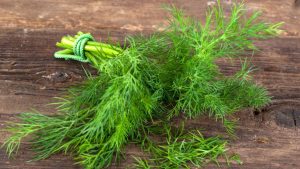 |
12. DillDill’s distinctive aroma deters cockroaches from entering your home. Using dill leaves or dill seed oil in sprays can provide natural protection. |
 |
13. CloveClove oil has a powerful scent that repels cockroaches. Applying clove oil in spray form around entry points can prevent insects from coming inside. |
 |
14. Orange PeelCitrus fruits are unpleasant to cockroaches. Placing fresh or dried orange peels in areas where roaches are active can help keep them away. |
 |
15. GrapefruitGrapefruit’s strong aroma acts as a natural deterrent for cockroaches. |
 |
16. Coffee GroundsUsed coffee grounds have a bitter smell that cockroaches dislike. Sprinkling coffee grounds in corners and entry points help keep pests away. |
 |
17. CucumbersFresh cucumber slices release a scent that cockroaches find unattractive. Placing cucumber slices in areas where roaches frequent can help keep them out. |
 |
18. ChrysanthemumChrysanthemum plants contain pyrethrum, a natural insecticide. The smell cockroaches hate is released from these plants, and a few placed outside will help keep your home pest-free. |
 |
19. RosemaryRosemary has a strong, woody scent that cockroaches avoid. Planting rosemary in your garden or using rosemary oil inside your home can be effective. |
 |
20. CatnipCatnip is not only a favorite for cats but also a powerful tool against insects. Placing catnip around your home can help keep roaches at bay. |
 |
21. ThymeThyme has a robust scent that cockroaches find unpleasant. Using thyme oil or planting thyme near entry points can help keep your home roach-free. |
 |
22. Boric AcidBoric acid emits a smell that cockroaches avoid. Sprinkling boric acid in cracks and crevices can help eliminate roaches while keeping them away. |
 |
23. Almond ExtractAlmond extract has a sweet scent that cockroaches do not like. Using almond extract in sprays can repel roaches from entering your home. |
 |
24. Apple CiderVinegar Apple cider vinegar’s strong smell disrupts cockroaches’ senses. Using it in cleaning solutions or as a spray can help deter roaches. |
 |
25. Chili PowderChili powder’s spicy aroma is off-putting to cockroaches. Sprinkling chili powder in areas where roaches are seen can help keep them away. |
 |
26. Coconut OilCoconut oil has a distinctive scent that cockroaches dislike.
|
 |
27. Witch HazelWitch hazel has a strong, earthy scent that repels cockroaches. Applying witch hazel around entry points can help deter these pests. |
 |
28. Pine OilPine oil’s fresh, woody aroma is unpleasant to cockroaches. Using pine oil in cleaning solutions or sprays can help keep roaches away. |
 |
29. CedarwoodCedarwood has a strong scent that cockroaches avoid. Placing cedarwood blocks or using cedarwood oil in your home can deter roaches effectively. |
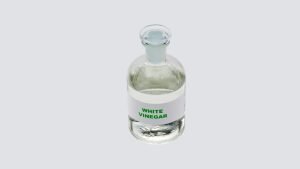 |
30. White VinegarWhite vinegar has a sharp smell that can push roaches out of a freshly wiped area for a few hours. Its bigger job is cleaning off the grease and crumbs that feed them. |
Vinegar keeps roaches away only for a few hours, and it does not kill them. The sharp smell can mask the scent trails roaches follow, but it fades as the surface dries, so a roach that avoids a wiped counter at noon is back on it by midnight.
Where vinegar earns its place is cleaning. A mix of equal parts white vinegar and water cuts the greasy film on stovetops, counters, and cabinet edges that gives roaches something to eat. Roaches are not attracted to vinegar itself, but they are attracted to the food residue it is often used to clean up, which is why a kitchen can smell of vinegar and still have roaches behind the stove.
Never mix vinegar with bleach. Together they release chlorine gas.
Pine-Sol does not repel roaches in a way you can count on. A pine-scented cleaner can cover the smell trails roaches use for a short time, and like vinegar, its real value is removing grease and food residue from floors and counters.
Use it as part of regular cleaning rather than as a treatment. Follow the label, keep children and pets off wet floors, and never mix it with bleach.
Natural does not always mean safe. Some oils can cause breathing or skin issues for pets and children.
Keep these points in mind
If safety is a concern, professional treatment offers controlled application with proven products designed for homes.
Entry Points: Spray repellents near doors, windows, and other entry points to discourage roaches for a short time; sealing those gaps does more than any scent.
Kitchens and Bathrooms: These areas are common roach hotspots. Apply repellents around sinks, countertops, and cabinets.
Dark Corners and Cracks: Cockroaches love hiding in dark, narrow spaces. Ensure repellents are placed in these areas to keep them away.
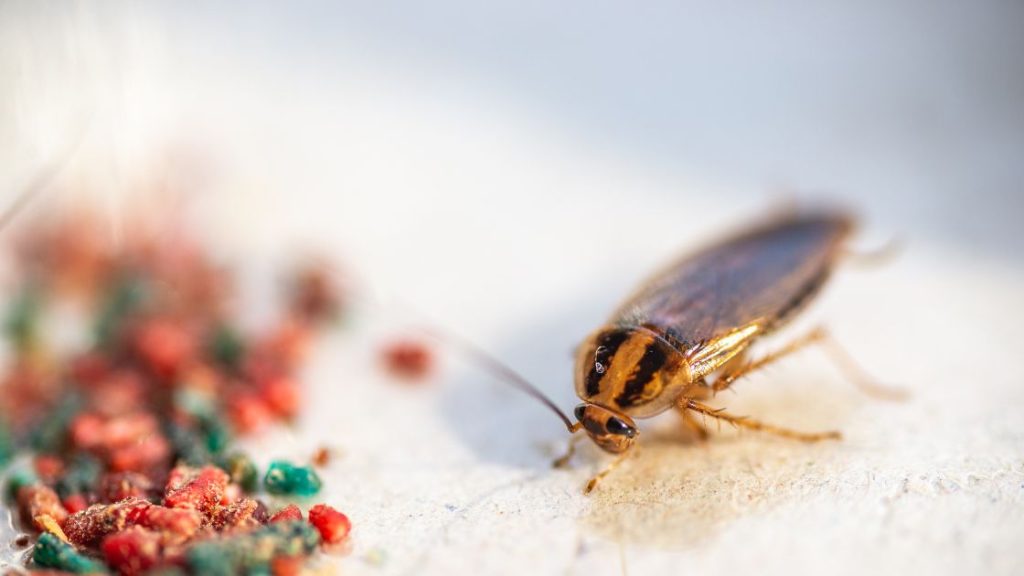
Not all cockroaches respond the same way to scent. Missouri homes deal with several species, and each behaves a little differently.
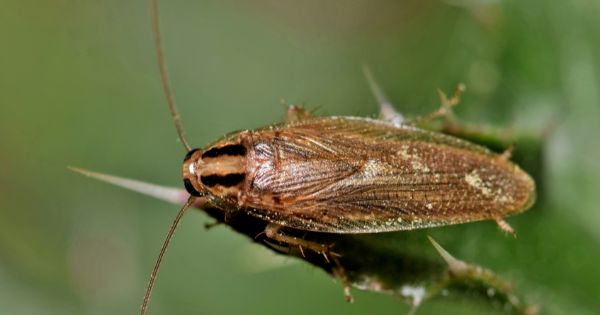
German roaches live close to people and hide near food sources.
They respond best to
These smells disrupt feeding paths but must be reapplied often.
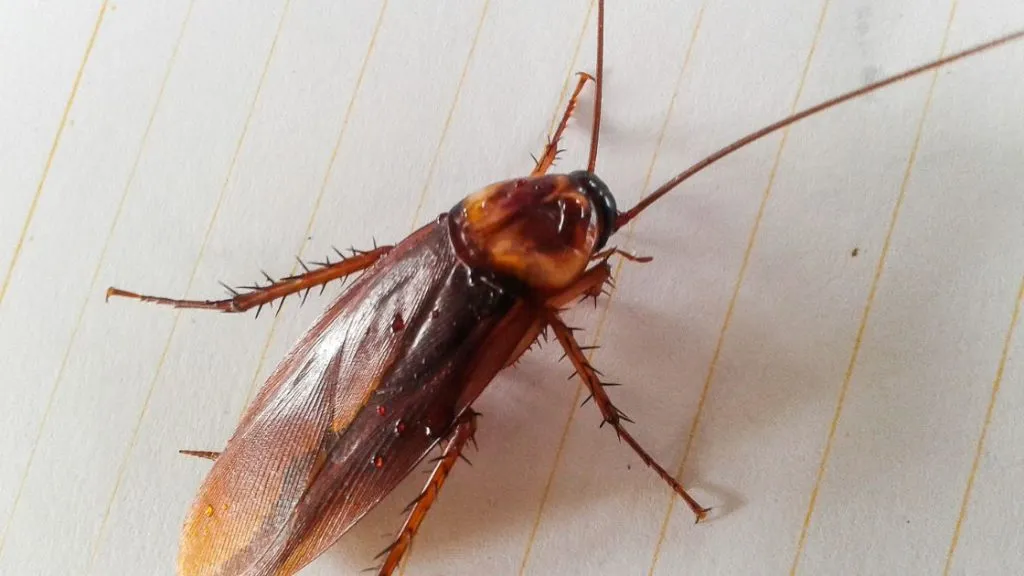
These larger roaches often enter from drains or basements.
They avoid
They tend to retreat deeper into structures rather than leave fully.

These roaches stay near plumbing and low areas.
They react to
Because they live near water, scent control alone rarely works long-term.
Yes, they can. Roaches are survivors. When exposed to the same smell over time, they adjust their behavior.
They may
This adaptation is why scent-based control often stops working after a short period. Long-term control requires treating hidden areas and stopping reproduction.
Many homeowners focus on repellents but overlook attractants. Roaches follow food and water scents more than anything else.
Common attractants include
Removing these smells often reduces activity more than adding repellents. Clean surfaces and dry areas make your home far less appealing to roaches.
If you notice any of the following, repellents are no longer enough.
At this stage, the infestation is established. Masking scents will not remove the problem.
To get rid of roach smell, you have to remove what is making it: live roaches, droppings, shed skins, and dead insects. A musty, oily odor in a kitchen, bathroom, or pantry usually means a population large enough to leave all four behind, and air freshener only covers it up.
Once the roaches and everything they left behind are gone, the smell usually fades within a few days. If it comes back, roaches are still active somewhere nearby.
Professional treatment goes beyond surface smells. At Titan Pest Pro, our cockroach control services focus on the full life cycle.
Our approach includes
We do not rely on one method alone. By combining sanitation guidance, exclusion, and professional products, we stop infestations at the source.
Natural smells still play a role when used correctly.
They work best for
We often recommend scent-based prevention as part of a broader plan, not a standalone solution.
If you notice a large number of cockroaches or signs of infestation in your living space, it’s time to seek professional pest control services. Understanding the cost of professional cockroach extermination and why expert treatment yields longer-lasting results than DIY methods can also help. Here’s why hiring Titan Pest Pro is essential:
Complete Inspection: Professionals conduct thorough inspections to identify the extent of the infestation and locate hiding spots.
Effective Treatment Plans: Experts select and apply products according to label directions and explain preparation, re-entry and household-specific precautions before service to eliminate cockroaches.
Long-Term Solutions: They treat the roaches already inside and keep the property monitored as new activity shows up.
Time and Effort Saving: Hiring an exterminator saves you the time and effort needed to deal with a severe roach problem on your own.
Health and Safety: Professionals apply pest control methods according to label directions and explain any precautions for you and your loved ones.
We know the limits of home remedies because we see the results every day. Our team focuses on careful, effective solutions that work long term.
Our cockroach control process is based on:
Our goal is not just removal. We help reduce current activity and help prevent future problems so you can feel comfortable in your space again.
What is the best cockroach repellent?
Peppermint, eucalyptus, and tea tree oils are the natural cockroach repellents most often recommended, but no scent repels roaches that are already living in your walls or appliances. Use scents to discourage roaches from clean areas, and use baits or professional treatment for an infestation.
What plants repel roaches?
Rosemary, catnip, mint, bay laurel, and chrysanthemums are the plants most often grown to discourage roaches. They help most near doors and windows, and they work alongside cleaning and sealing, not instead of it. Chrysanthemums and catnip both affect cats, so place them with pets in mind.
Does catnip repel roaches?
Catnip does repel roaches to a degree, because it contains nepetalactone, a compound many insects avoid. Dried catnip or catnip tea sprayed along baseboards can discourage roaches for a short time, though cats will be very interested in it.
Does cedar repel roaches?
Cedar has a mild repelling effect on roaches, strongest when the wood or oil is fresh. Cedar blocks lose their scent over a few months, so sand them lightly or add a few drops of cedarwood oil to keep them working.
Does peppermint oil kill roaches?
A strong peppermint oil spray can kill a roach it hits directly, but it will not clear an infestation. It cannot reach eggs or the roaches hiding inside walls, cabinets, and appliances.
Does air freshener or perfume kill roaches?
Air freshener and perfume can kill a roach only when sprayed straight onto it in a heavy dose, and they do nothing to the roaches you cannot see. Spraying them around food or indoors in large amounts is not a safe way to treat roaches.
Do roaches like oranges?
Roaches will eat oranges and other fruit left out, even though the oil in citrus peel is a scent they avoid. Keep fruit in the refrigerator or a sealed container, and use the peels, not the fruit, if you want to try citrus as a deterrent.
Smells that cockroaches hate can help discourage activity, but they rarely solve the problem on their own. Once roaches settle in, deeper treatment may be needed to protect your health and property.
At Titan Pest Pro, we provide cockroach control for homes and businesses in the areas we serve, including Springfield, MO and Kansas City, MO. If you are seeing signs of roaches or want peace of mind, our team is here to help.
Call us today at (888) 343-9939 to schedule a free inspection. We will listen, assess your situation, and guide you toward a careful, effective solution.