
Raccoons often enter attics in search of warmth, shelter, and a safe place to nest, especially during colder months. Knowing how to get rid of raccoons in attic spaces carefully and humanely is important to protect your home from noise, odors, and structural damage.
Near Springfield or Kansas City? Pest control in Springfield, MO · Kansas City pest control
Many homeowners first notice scratching sounds, damaged insulation, or strong odors and wonder how serious the problem may be. Without proper removal and prevention, raccoons can continue to return, making attic infestations difficult to resolve.
If you want to get rid of raccoons in your attic successfully, following proven removal and prevention steps is essential. Humane wildlife control services help remove raccoons from attics carefully while addressing cleanup and entry points to prevent future problems.
Not every attic noise is a raccoon — birds nest in attics too, and the removal approach is different. See how to get birds out of your attic.
Raccoons enter attics for warmth, nesting space, and safety, especially during colder months or breeding season. A raccoon in your attic often finds openings through soffits, roof vents, gable vents, or damaged shingles. Once a raccoon can get inside, it quickly creates a nest using insulation and stored items.
Raccoons are the largest common attic intruders in many Missouri homes, and raccoons often select attics because they feel secure and hidden from predators.
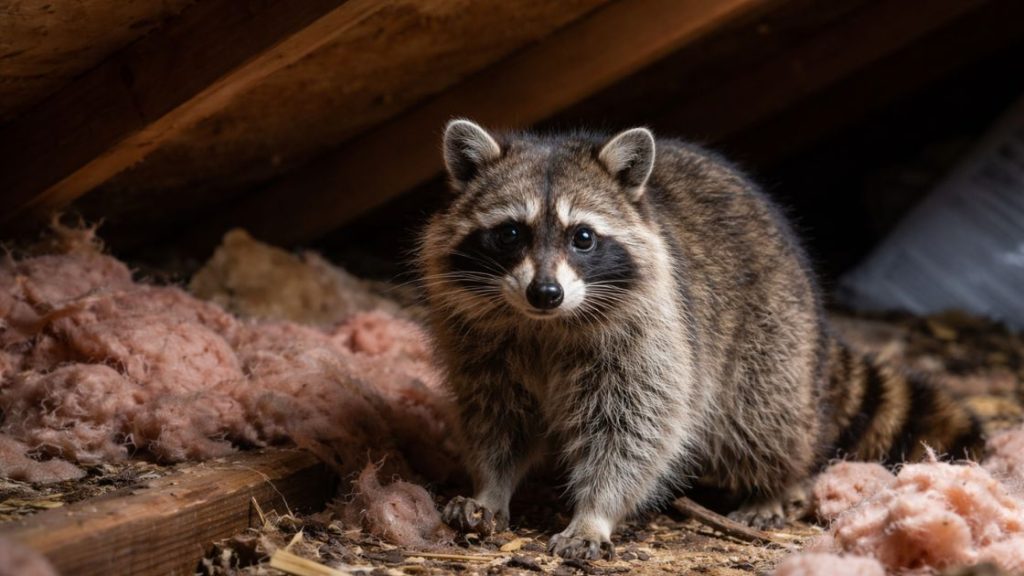
Raccoons in an attic can cause noise, leave strong odors, and damage insulation. When you start hearing strange noises in your attic at night, it can be a sign that raccoons are active. Raccoons cause more attic destruction than smaller animals like squirrels because raccoons are stronger and can tear open soffits, vents and roof edges, especially if they feel trapped.
Here are the most common clues that you may have a raccoon problem:
You may hear scratching, movement, or sounds that resemble a heavy animal walking. These noises in your attic often happen when raccoons look for food or move around the nest.
Raccoons pull apart insulation to create soft bedding for baby raccoons. The more insulation they shred, the larger the nest becomes.
Raccoon urine, droppings, and leftover food scraps create strong smells. This waste may contain raccoon roundworm, Baylisascaris, and other parasites.
Look for damage near soffits, vents, and roof edges. Even a small entry point can allow a raccoon to squeeze through, and once inside, raccoons can get deeper into the attic.
Raccoon feces can be dangerous because they may carry parasites like roundworm. Avoid direct contact and call a professional if you suspect contamination.
Ignoring raccoons in an attic lets the damage grow quickly. Raccoons often chew wires, scratch wood, and damage ducts. If a raccoon enters your attic and stays for an extended period, it may bring food inside or create multiple nesting sites.
Raccoons can also spread diseases such as rabies and leptospirosis. Their urine and feces affect the air quality inside your home. It is important to understand why raccoons are dangerous when they take up residence in your home. If the problem persists, raccoons may become aggressive if they perceive their nest as threatened.
Below are the most reliable methods for carefully and humanely removing raccoons. These methods help coax a raccoon out of the attic without harm. They also include steps to prevent raccoons from entering again.
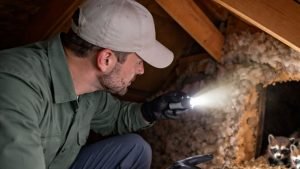
A trained wildlife control expert knows how to get rid of raccoons in the attic by locating every entry point. Inspections help identify where raccoons are entering your attic and whether infant raccoons are present. This allows us to handle a raccoon problem carefully and avoid separating a mother raccoon from her babies.
One-way doors let a raccoon leave the attic without returning. This method works well when the raccoon nest does not include infant raccoons. After the raccoons are gone, we seal entry points to stop raccoons from entering again.
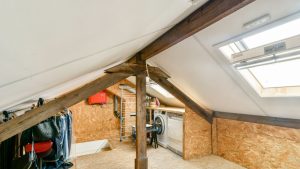
Before the last opening is sealed, the technician makes sure every raccoon is out, including any young. When a mother has young in the attic, the sealing waits until the young are out too, so no animal is shut inside.
Baby raccoons cannot leave the attic on their own. If a mother raccoon has young in the nest, we don’t seal the last opening until she has moved them out, so no animal is shut inside.
Waiting is what keeps the family together and keeps a trapped animal from damaging your attic.
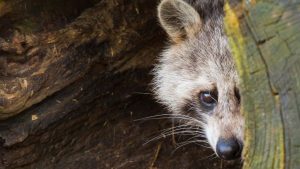
Raccoons can get through openings around chimneys, roof vents, soffit gaps, and gable vents. After we remove raccoons, we close every entry point. This prevents raccoons or other wildlife, such as squirrels, from re-entering the area.
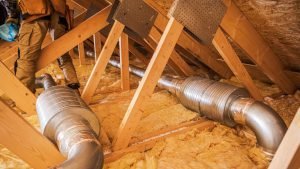
Cleanup is needed because feces, food scraps, and urine may contain parasites, such as roundworm and Baylisascaris. We sanitize contaminated surfaces and refer you to a restoration company if insulation can’t be cleaned. This helps restore the attic carefully and reduces lingering odors.
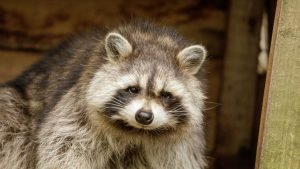
Odors attract more raccoons, and most of the smell comes from droppings and nesting material. Cleanup removes what can be reached, which takes away most of the odor. Some homeowners try predator urine or ammonia, but these are not long-term solutions and can be unsafe to use.
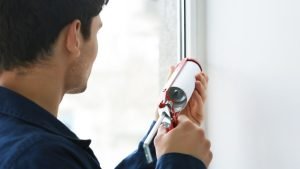
Raccoons often break soffits, vents, and trim to enter the attic. We seal those openings as part of every wildlife job; larger structural repairs go to a contractor. Sealing is what helps keep raccoons from getting back in.
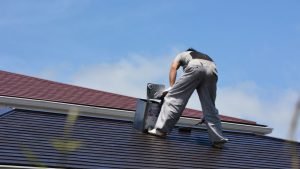
Lighting can encourage a raccoon to leave the attic, especially if it prefers darkness. Some homeowners use sound or a repellent, such as cayenne pepper, but these methods only work as temporary deterrents.
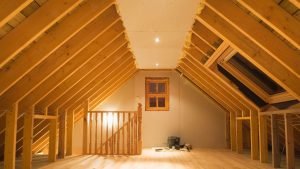
Trimming branches stops raccoons from entering your attic by reducing climbing routes. Removing bird feeders, securing trash, and cleaning up fallen fruit helps reduce the attraction of raccoons to your property.
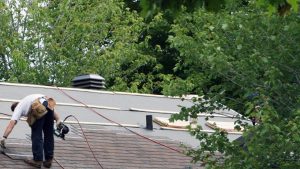
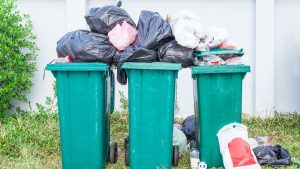
Raccoons are omnivores and often search for easy meals. Many homeowners are surprised to learn that raccoons eat rats or mice when the opportunity for a high-protein meal arises. Securing garbage and avoiding food left outdoors can help prevent future problems. We also suggest cleaning up areas around sheds and garages to prevent raccoons from entering hidden spots.
Raccoons are covered by our Titan Wildlife Defense plan, which includes follow-up checks and service if raccoons get back in between visits.
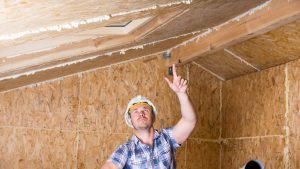
DIY attempts often lead to injury and may separate baby raccoons from the mother. Home repellents like ammonia, mothball, or cayenne pepper may help in short bursts, but they do not remove raccoons from your attic. Some people try to sprinkle cayenne pepper around or use raccoon eviction fluid, but these are temporary and not recommended for long-term safety.
Working with a professional removal service offers a more reliable solution that avoids harming animals and protects your home.
We begin with a full inspection, identify the raccoon entering your attic, and create a removal plan. Our service includes an inspection for every entry point and any young, one-way doors, cleanup of reachable droppings and nesting material, and sealing every entry point, with a written price before work starts. We also check for baby raccoons, concerns about raccoon roundworm, and areas where raccoons often nest.
The following FAQ about raccoon removal will help you understand what to expect when dealing with raccoons in attic spaces.
We use humane wildlife control methods: a professional inspection, one-way exclusion doors, and a check that any babies are out before the last opening is sealed. We don’t trap or relocate raccoons.
Yes. Raccoons may return if entry points are not sealed. That’s why sealing openings and repairing attic damage is essential to prevent future infestations.
Yes. DIY raccoon removal can lead to injuries, exposure to parasites, or separation of baby raccoons from their mother. Professional removal is more effective.
Common signs include loud noises at night, damaged insulation, strong odors, visible droppings, and holes around roof vents or soffits.
Yes. Raccoons can carry diseases such as rabies and parasites like raccoon roundworm. Their urine and feces can also affect indoor air quality.
Yes. Our services include sealing entry points, cleanup of reachable droppings and nesting material, and follow-up checks on the Wildlife Defense plan, which help keep raccoons from returning.
A raccoon in attic spaces can cause damage to your home, spread bacteria, and create stress for your family. Getting help from Titan Pest Pro helps keep raccoons away in a careful and humane manner. Our team understands how to carefully remove raccoons, restore the attic, and prevent them from re-entering.
If you’re hearing strange noises in your attic or suspect raccoons have made their way inside, don’t wait to take action. Prompt raccoon removal is essential to prevent further damage and health risks.
Schedule your free inspection today. Our team specializes in careful, effective raccoon removal, repairs damage caused by wildlife, and helps protect your home year-round.
Before you approach one, see whether raccoons are actually dangerous.