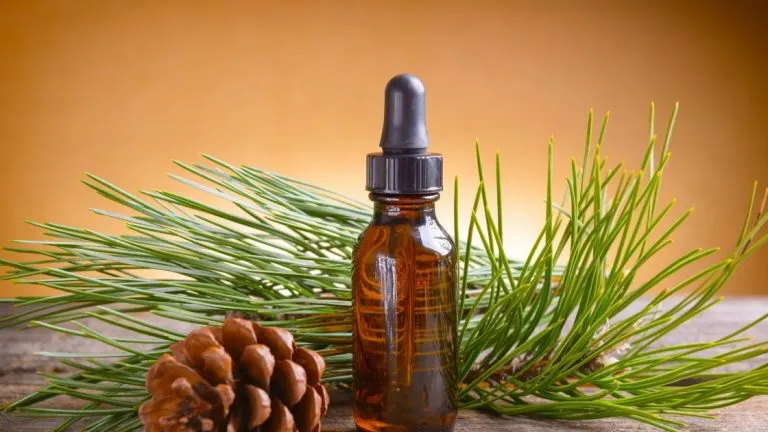
No smell kills rats instantly. Strong scents such as peppermint oil, ammonia, eucalyptus, and cayenne pepper can drive rats away from an area for a short time, but they do not kill rats, remove nests, or stop new rats from getting in. Rats in your home or business in Springfield or Kansas City, MO, aren’t just unpleasant. They’re a serious problem that requires immediate attention. If you’ve ever caught a glimpse of one running across your floor or noticed gnaw marks on your wires or food packages, you know how alarming it can be. Many people ask about the best, natural way to get rid of rats, including whether there is a smell that kills rats instantly.
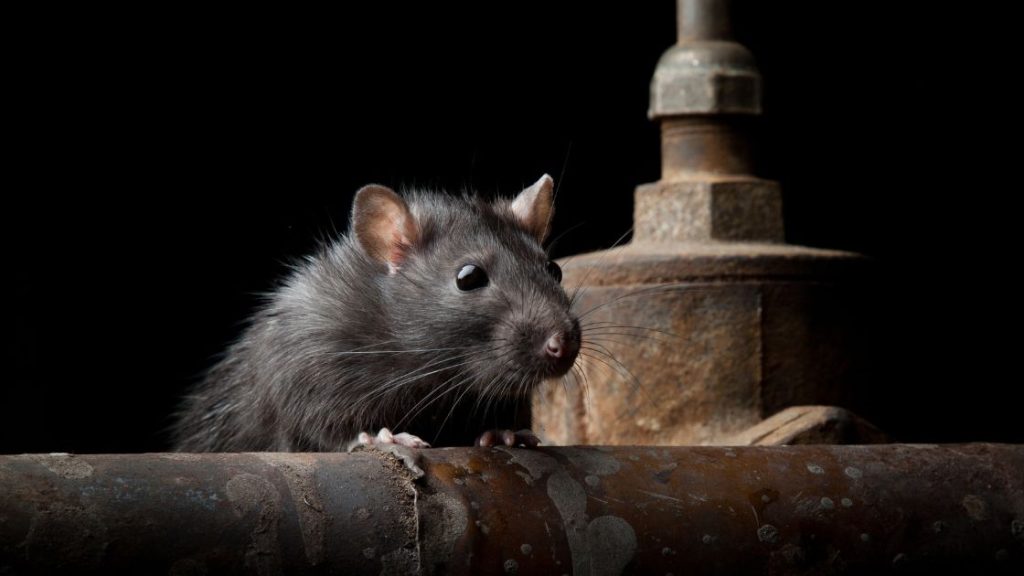
Just as there are smells that keep mice away, there are also specific scents that can help repel rats. However, while these smells can discourage rodents, they typically don’t kill them on contact, so relying on scents alone won’t solve the problem.
At Titan Pest Pro, we know that you want to protect your home or business quickly and carefully. That’s why we combine proven pest control methods with label-directed options. In this article, we’ll explore the science behind smells that repel or eliminate rats, share top scents you can use, and explain why professional pest control remains the most reliable choice for lasting results.
Like many problems, the key to solving them lies in understanding them. Rats are incredibly adaptive creatures, which means that methods of controlling them must always be evolving.
In Missouri, our two most common species of rats are the Norway and the Roof. The first tend to burrow near foundations or in basements, while the second prefer higher places like attics or trees.
Both are nocturnal and excellent scavengers, capable of surviving in a wide range of environments. One of the keys to this survival is their sensitive smell, which they use to find food, avoid predators, and communicate with each other. In fact, rats can smell scents up to several hundred feet away. This highly sensitive sense of smell means that certain scents are highly effective at keeping them away.
With the basics out of the way, it’s important to note that these are fast breeders. So, if you spot one, it’s important to act quickly before the problem spirals out of control.
Scents and traps deal with the rats already inside. They don’t close the gap the rats came through — and a rat only needs a hole the size of a quarter. If you’re still finding sign, more are still getting in.
Book a free inspection. We’ll find how they’re getting in and tell you what it takes to stop it. No charge, no obligation.
Near you: Pest control cost in Springfield, MO · Pest control cost in Kansas City, MO
While it would be nice if there were a smell that kills rats instantly, the reality is that this is a myth. A smell alone is not enough to kill them. Poison or other strong chemicals are effective at killing rats, and while these have strong odors, typically it is the chemicals, not the smell, that do the killing.
However, the use of certain smells still has its place in keeping rats at bay.
When it comes to pushing rats away, many homeowners and business owners in Springfield or Kansas City, MO, look for natural, label-directed options. Scents and essential oils have gained popularity because they are easy to use and avoid poison, but many essential oils can harm cats and dogs, so use them only where pets cannot reach. While smells alone won’t instantly kill rats, they can disrupt their behavior and make your property less inviting. Here’s a closer look at the top 15 smells known for repelling or deterring rats, along with tips on how to use them effectively.
Peppermint oil is one of the most popular natural rat repellents—and over the long term reason. Rats have a highly sensitive sense of smell, and the strong menthol aroma of peppermint overwhelms their nasal passages. This causes discomfort and confusion, making them avoid areas treated with this scent.
How to use: Soak cotton balls in peppermint oil and place them near suspected points of entry like behind appliances or in attics. Refresh every 3-4 days as the scent fades. Some homeowners look for a quick solution, like a smell that kills rats instantly, but professional pest control remains the most reliable method.

Ammonia’s sharp, pungent smell mimics the scent of predators like foxes and other animals that hunt rats. This triggers a natural fear response. However, ammonia fumes are strong and can irritate humans and pets.
How to use: Use diluted ammonia outdoors around your property’s perimeter, avoiding enclosed spaces. Place soaked rags near burrows or suspected nesting sites. Always use protective gloves and ensure good ventilation.

Eucalyptus oil shares properties with peppermint but has a slightly milder scent to human noses. It interferes with rats’ ability to detect familiar smells and discourages them from nesting nearby.
How to use: Similar to peppermint oil, apply soaked cotton balls near problem areas. Eucalyptus can also be added to sprays mixed with water for larger surface applications.

Capsaicin, the compound that gives hot peppers their heat, irritates a rat’s mucous membranes, especially their nose and eyes. The burning sensation repels them effectively.
How to use: Sprinkle cayenne pepper or use commercial hot pepper sprays around foundations, doorways, and garden beds. Avoid applying where pets or children can come into direct contact, as it can also irritate their skin and eyes.

Mothballs have a strong chemical odor, and people sometimes place them in attics or garages to try to deter rats. That use goes against the label: mothballs are a pesticide made only for clothes moths in tightly closed containers.
Caution: Mothballs contain toxic chemicals harmful to humans, pets, and wildlife. They are not a rat repellent, so do not put them in attics, garages, yards, or anywhere else to keep rats away. Peppermint oil, sealing entry points, and snap traps are practical choices.
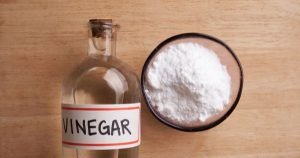
White vinegar’s sharp, acidic smell can discourage rats from frequenting certain areas temporarily. It’s label-directed, making it a practical option for homes with kids and pets.
How to use: Soak rags in vinegar and place them near points of entry or rat activity zones. Because vinegar evaporates quickly, reapply every couple of days.

Clove oil has a very potent and spicy aroma that acts as a strong irritant to rats’ sensitive noses. Besides repelling rats, it also keeps insects like mosquitoes at bay.
How to use: Soak cotton balls with clove oil and place them in corners, under sinks, or near suspected rat paths. Combine with other essential oils for a broader pest control effect.

Cedarwood has long been used as a natural repellent for moths, insects, and rodents. Its woody scent masks the pheromones rats use to navigate and mark territory, disrupting their behavior.
How to use: Apply cedarwood oil to cotton balls or use cedar blocks in storage areas, basements, or closets. It’s also useful in attics to deter rats from nesting.

Garlic’s pungent smell irritates rats and discourages them from settling. Its natural sulfur compounds are offensive to rodents, but garlic is toxic to dogs and cats.
How to use: Crush fresh garlic cloves and place them near suspected points of entry or nests. Refresh regularly as garlic dries out and loses potency, and keep it where pets cannot reach.

Similar to garlic, onions emit a strong odor that rats dislike. The scent masks food odors and creates an uncomfortable environment for rodents.
How to use: Cut onions and place them in areas where rats are active. However, onions decompose quickly and can attract other pests, so monitor and replace them often.
Like garlic, onions are toxic to dogs and cats, so skip this remedy anywhere pets can reach.
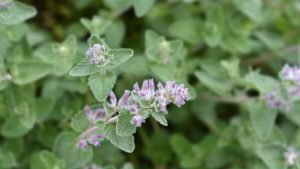
Interestingly, while cats are attracted to catnip, rats tend to avoid it. The chemical compound nepetalactone is a natural deterrent for rodents.
How to use: Plant catnip around your yard or use dried catnip inside your home near doorways or other places rats could get in. It’s a natural option, especially for families with cats.

Best known as a mosquito repellent, citronella oil also keeps rats and other rodents away. Its fresh, lemony scent is pleasant to humans but disruptive to rodents.
How to use: Use citronella oil in outdoor sprays or diffusers around patios, gardens, and garbage areas.

Thyme oil emits a strong herbal scent that can repel rats. Its natural compounds interfere with rodents’ ability to detect food sources.
How to use: Mix thyme oil with water to create a spray or soak cotton balls and place them strategically in your home or business.
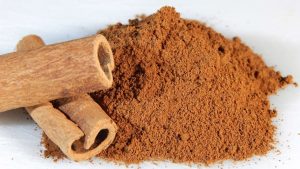
The spicy aroma of cinnamon can mask attractant odors and irritate rat senses, making an area less hospitable.
How to use: Sprinkle powdered cinnamon near doors, vents, and suspected entryways. You can also use cinnamon essential oil on cotton balls.

Fresh citrus peels, especially lemon, contain acidic oils that disrupt rats’ sensitive noses. The bright scent confuses and deters them from nesting or feeding nearby.
How to use: Place fresh lemon or orange peels around garbage cans, in cabinets, or near spots where rats could get in. Replace peels every few days to maintain potency.
Though many scents can repel rats, there is no smell that kills rats instantly, so relying on scents alone won’t fully solve your rat problem.
The best rat repellent is a building rats cannot get into and cannot find food in, because every scent on this list wears off. Among smells, peppermint oil is the one most people start with, followed by eucalyptus oil, cayenne pepper, and clove oil, and store-bought repellents labeled for rats work the same way: they make an area unpleasant for a while, then fade.
That is why the most effective rat repellent plan has three parts:
If you use a commercial rat repellent spray, pick one labeled for rats and follow the label for where and how often to apply it. No spray keeps rats away once they have found food and shelter inside.
While natural smells are a helpful tool for rat control, they’re not a standalone solution. Here’s why:
A homeowner in Springfield, MO, told us they used mothballs and peppermint oil for weeks, but the rats persisted because they never sealed the holes the rats used to get inside. Likewise, a homeowner in Kansas City tried cinnamon and dryer sheets for a month, yet the rats remained since the foundation gaps were never closed.
Ultimately, only complete pest control, combining inspection, exclusion, sanitation, and treatment, can help get rid of rats.
For a full rundown of which home remedies fail and what actually kills rats fast, see what kills rats fast.

The home remedy that actually kills rats is a snap trap. It works quickly, uses no poison, and lets you see and remove the rat, which a smell or a homemade mix cannot do.
How to use: Choose traps sized for rats, not mice. Bait them with a small amount of peanut butter, and set them along walls and behind appliances where you have seen droppings or gnaw marks, with the trigger end facing the wall. Set several traps at once, wear gloves when handling them, and keep them where children and pets cannot reach, such as inside a closed cabinet or a covered trap box.
Be careful with the home remedies for killing rats that circulate online. Mixes made with baking soda or plaster are not a reliable way to kill rats, and anything poisonous left out in the open can be eaten by pets, children, or wildlife. Never use antifreeze or other household chemicals as rat bait. If you use rat poison, use a ready-to-use bait station and follow its label exactly.
No rat poison keeps rats from stinking after they die. A poisoned rat does not die on the spot; it often crawls back to where it hides, inside a wall, attic, or crawl space, and the body gives off a strong odor as it decays. Products that claim to dry out the body do not reliably prevent that smell.
This is one reason we often recommend trapping inside a home. With a trap, you know where the rat is and can remove it right away. If you notice a smell of death coming from a wall or ceiling after using poison, the body usually has to be found and removed before the odor goes away.

To get rid of rat smell, you have to remove its source: dead rats, urine, droppings, and nesting material. Air fresheners only cover the odor, and rat urine and droppings can carry disease, so clean them up carefully. The CDC’s rodent cleanup steps are:
Never mix bleach with ammonia or other cleaners. If the smell is coming from inside a wall or ceiling you cannot reach, or it comes back after cleaning, rats are likely still active nearby.
DIY methods, truthfully, only go so far in terms of effectiveness. Many people hope to find a smell that kills rats instantly as a simple solution, but such a quick fix doesn’t exist. Meanwhile, if you work with a trusted company like ours at Titan Pest Pro, you get a plan for the problem you have now and for keeping it from coming back.
Many clients ask about rodent exterminator cost, and while prices vary based on the extent of the infestation and property size, investing in professional pest control often saves money in the long run by preventing costly rodent damage and repeated treatments.
To do this, we perform the following steps:
We identify rat species, nesting sites, and entry points you might miss.
Every property is different; we tailor strategies to your specific needs to ensure a great chance at success.
We apply products per label directions and explain precautions for your family and pets.
We seal cracks and holes to keep the problem out with ongoing prevention.
We provide maintenance plans to stop future infestations before they start.
No matter the client, we respond quickly with targeted, discreet treatments that minimize disruption to daily operations. In most cases, clients experience lasting relief from rat problems following our intervention.
Research shows that professional pest control can reduce rodent infestations by up to 90% after just one treatment, while DIY efforts often fall short due to incomplete or improper measures.
It’s important to understand why rats are more than a nuisance. One of the biggest problems with them are the diseases they can spread, like:
Some may look for a smell that kills rats instantly as a quick fix, but relying on such ineffective methods can leave you exposed to these serious health risks.
Beyond disease, rats damage wiring and structures, risking fires and costly repairs. To make matters worse, their droppings can cause respiratory issues as well.
Preventing rats is easier than fixing an infestation. Here’s how to keep your space rat-free:
Schedule pest inspection with Titan Pest Pro to catch problems early. Whether you need expert pest control in Springfield or an experienced Kansas City exterminator, our team identifies vulnerabilities before they become infestations.
Do rats hate peppermint?
Yes, rats dislike the strong smell of peppermint oil, which is why it is the most common natural rat repellent. The scent fades within a few days and rats can get used to it, so peppermint oil can keep rats away from a spot for a while but will not get rid of rats already living in your home.
Do rats like garlic?
Rats generally avoid the strong smell of fresh, crushed garlic, but a hungry rat will still eat garlic and other food. Any repelling effect fades as the garlic dries out. Garlic and onions are toxic to dogs and cats, so do not leave them where pets can reach.
Does ammonia keep rats away?
Ammonia can drive rats away from an area for a short time, but it does not keep them under control and it is not a way to kill rats. The fumes also irritate people and pets, so use it only outdoors or in well-ventilated spaces, and never mix ammonia with bleach, which releases toxic gas.
Does cinnamon deter rats?
Cinnamon may make an area a little less appealing to rats, but it is one of the weaker scents on this list. Ground cinnamon loses its smell quickly, so treat it as a minor extra, not a solution.
What can I spray to keep rats away?
You can spray a mix of water and peppermint oil, or a commercial rat repellent labeled for rats, around entry points and outdoor problem areas. Either one only works for a short time and has to be reapplied, so pair it with sealing gaps and removing food.
Does citronella repel rats?
Citronella can mildly discourage rats, mostly outdoors around patios, gardens, and garbage areas. Like other scents, it wears off and will not drive out rats that are already nesting nearby.
Does vinegar get rid of rats?
Vinegar does not get rid of rats. Its sharp smell can discourage them from an area for a day or two, but it evaporates quickly, and it does nothing to rats that already have food and shelter in your home.
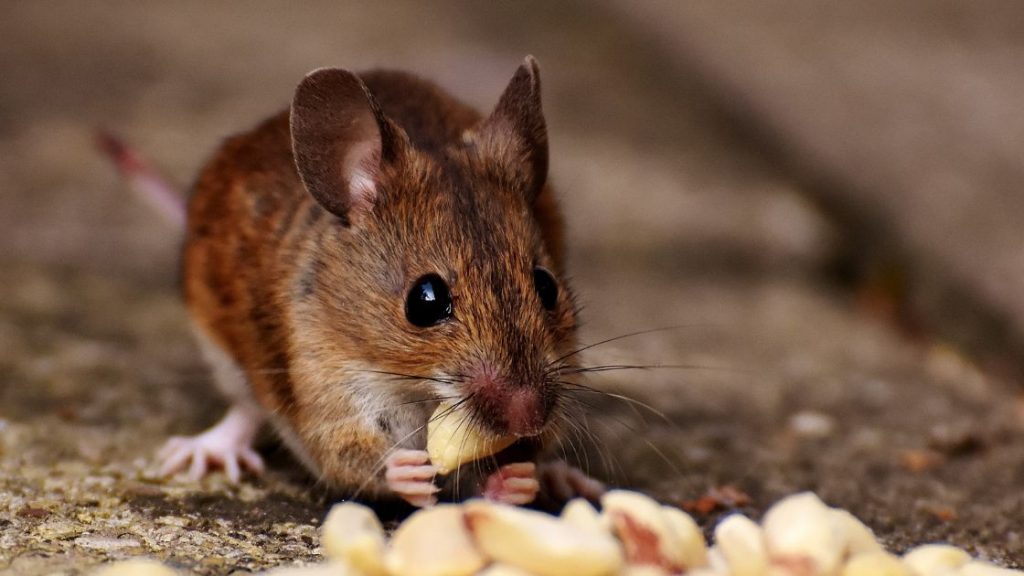
Rats are clever, fast breeders that pose serious risks to your health and property. While some may look for a smell that kills rats instantly, the truth is that smells rats hate can help keep them away temporarily, but relying on scents alone won’t protect your home or business for the long term.
At Titan Pest Pro, we bring deep expertise and a commitment to careful, effective pest management. Our team works with you to not only remove rats but also prevent them from ever coming back.
For the best results, call us today to schedule proper pest control!
Don’t let rats take over your peace of mind. Call Titan Pest Pro today for a free inspection and customized pest control plan in Springfield or Kansas City, MO. Protect your family, your customers, and your property with our expert rodent control services.