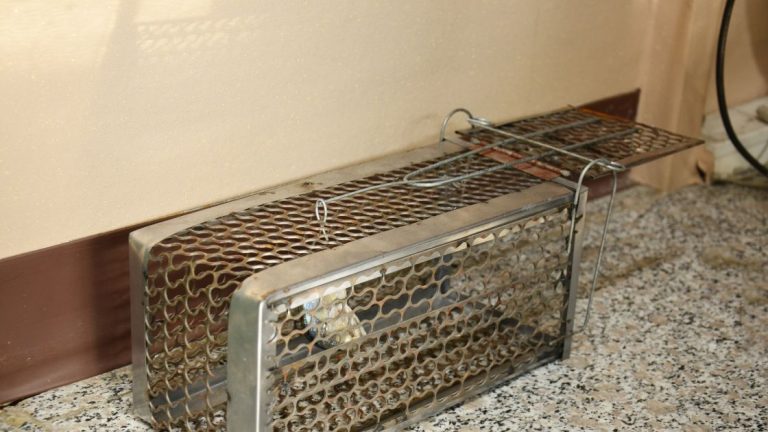

Worried about a mouse infestation or the possibility of getting bitten by a mouse? You’re not alone. Many homeowners in Kansas City call us at Titan Pest Pro when they see a mouse or find evidence, such as droppings or gnawed packaging.
Understanding the risks of mouse bites and the differences between mouse and rat bites can help you decide when to take action and protect your family from more significant pest problems.
It’s a common fear: waking up to find a mouse bite on your skin. While house mice and wild mice rarely bite people, it can happen if a mouse feels threatened or cornered, especially if you roll over one in your sleep. Mice usually avoid humans and do not typically attack or nibble unless they are desperate or startled. Mouse bites while you sleep are sporadic, but not impossible, especially with a large infestation.

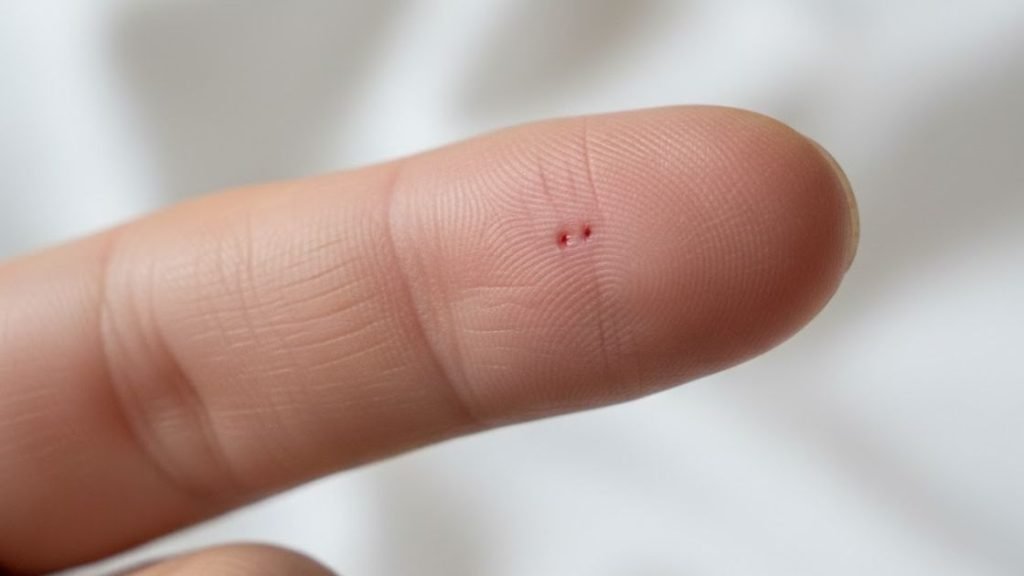
If you get bitten by a mouse, the bite area may show one or two minor puncture wounds. Sometimes, mouse bites draw blood or cause a sharp pinching sensation.
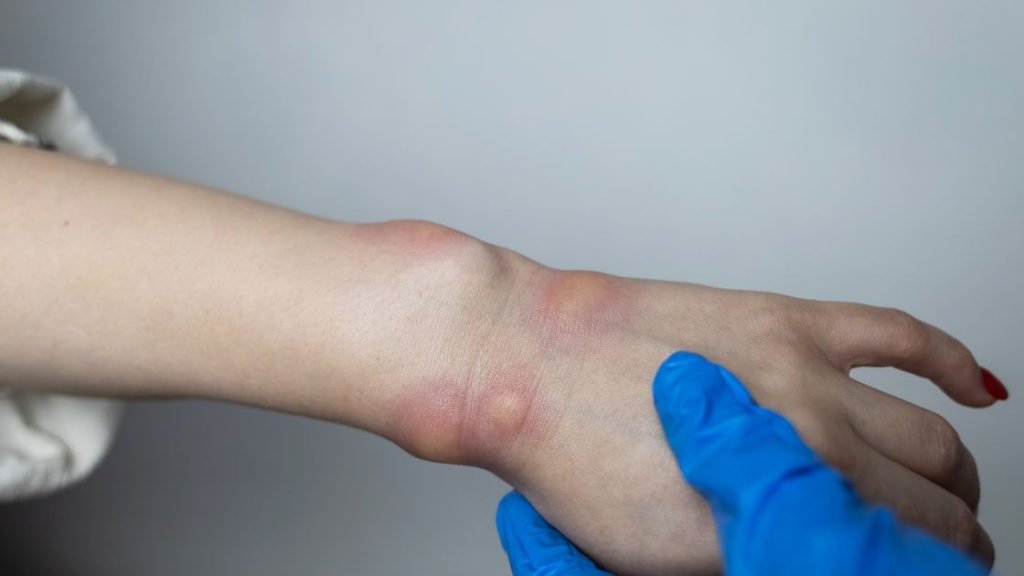
Most bites are not deep, but it is essential to clean the wound with warm water and soap to minimize the risk of infection. Mice have strong front teeth, and their saliva can transmit bacteria. If the bite becomes red, swollen, or starts to ooze, seek medical attention right away.
Mouse and rat bites are rare but can lead to potential risks of health problems if not treated. Rodents are known to carry diseases like hantavirus and rat-bite fever.
These diseases can be transmitted to humans through bites, contact with saliva, urine, or exposure to rodent droppings. Most people will not become seriously ill, but those with weakened immune systems should exercise caution.
If you experience symptoms like fever, chills, or muscle aches after being bitten, call a professional or seek medical help as soon as possible. Rat or mouse bites, in these cases, are not something to take lightly.
Again, a mouse bite typically appears as a tiny puncture wound or a red mark. Some bites may bleed or swell. If a mouse has bitten you, you may notice a sharp pain at first, but the bite area usually heals on its own with proper care. Watch for signs of infection and keep the wound clean and dry. If you experience any unusual symptoms, don’t wait; seek medical advice immediately.
Most house mice, deer mice, and field mice rarely bite humans. Mice are often not typically attacked by people unless they feel cornered or threatened. Wild mice may be more likely to bite than pet mice, but even then, bites are uncommon.
If you’re holding a mouse or accidentally come into contact with one in the wild, move slowly and give the animal space. Mice are generally more interested in food crumbs and nesting material than in people.
If you get mice in your house, they usually don’t go around looking to bite people, but if a mouse feels trapped, scared, or needs to defend its nest, it might bite. In most homes, mouse bites are rare, but they can happen if you try to handle a wild rodent or accidentally corner one behind furniture. However, mice carry diseases, so removing mice from your home should still be a priority.
According to the Cleveland Clinic, reported rat bite fever cases number from 20,000 to 40,000 annually. You can get the disease from either mice or rats. Symptoms include headache, fever, rash around the feet and hands, and nausea.
You’ll usually experience the symptoms for several weeks after you’re bitten.
When mice are known to bite, you need to do the following:
Getting bitten by a mouse is never fun, but quick, simple first aid and a call to your doctor can go a long way in avoiding bigger problems down the line.
As noted, if a mouse or rat bites you, wash the bite immediately with warm water and soap. Applying an antibiotic ointment and covering the wound with a clean bandage can help prevent infection.
Keep an eye on the area over the next few days for signs of redness, swelling, or pus. If symptoms worsen or you develop a fever, seek medical attention to rule out diseases like lymphocytic choriomeningitis or rat-bite fever. Individuals with weakened immune systems should exercise particular caution.
Rats and mice enter homes in search of food, water, and warmth. Once inside, they can create nests and multiply quickly, leading to an infestation. Mouse bites are more likely in homes with a high rodent population, especially if mice come into contact with people or pets.
Mice and rats can squeeze through very small holes and often move along walls, behind furniture, or into cabinets. They may bite when they feel cornered or are trying to escape.
Mice and rats are more likely to enter homes during colder months, which increases the chances of encountering one and being bitten. However, bites remain rare even during winter. Most people notice signs of an infestation, such as droppings or gnawed food, before ever seeing a mouse or getting bitten.
Pet mice can bite, but this is not common if they are handled gently. If a pet mouse feels scared or trapped, it might nip, but these bites are usually not serious. Always wash your hands after handling any rodent, and keep pet mice separate from wild mice to prevent the spread of rodent disease.
If you notice signs of a rat or mouse infestation, such as droppings, gnaw marks, or hear scratching noises at night, it’s time to call a professional for pest control. DIY traps and baits can help with minor issues, but ongoing infestations often require the expertise of a professional rodent control service.
Mice and rats carry health risks, can chew through wires, and leave behind urine and droppings that may transmit disease. Professional pest control companies, such as Titan Pest Pro, use proven, family-friendly solutions effectively to remove mice and rats from your home for good.

Kansas City homeowners most often deal with house mice, deer mice, and field mice. All types of mice can spread germs through their urine, droppings, and saliva. Knowing which type of mouse is in your home can help determine the best pest control method. Field mice and deer mice are known carriers of hantavirus, while house mice are more likely to create infestations indoors.
Rodent bites can transmit diseases like lymphocytic choriomeningitis, rat-bite fever, and hantavirus. Most of these diseases are rare but can cause severe symptoms if left untreated. As noted, mice and rats are also known to spread germs through their urine and droppings, which is why keeping your home clean and rodent-free is helpful.
Yes, especially if the wound is showing signs of infection or if you have a weakened immune system. Bites that don’t improve after cleaning, or those that become red, swollen, or start to drain pus, should be checked by a healthcare provider. If you develop fever, chills, or feel sick after a rodent bite, seek medical help right away. Don’t go without treatment. It’s best to ensure your safety and health.
Rodents rarely bite humans. Most bites happen if the animal feels cornered or threatened. So, you’re more likely to get bitten in these situations.
Yes. Droppings, urine, and saliva can carry germs that may lead to health problems. This makes it necessary to ensure mice or other rodents stay away from your house.
Wash the bite area with warm water and soap, use an antibiotic ointment, and keep it covered.
Droppings, gnawed food, scratching sounds, and damaged wires are all signs of mice inside your home.
Seal entry points. Don’t leave crumbs; use traps, and call a professional if the problem continues.
At Titan Pest Pro, we’ve seen first hand the stress and health risks that come with mouse and rat infestations. Many families in Kansas City have told us how they struggled with rodents until we found hidden nests and sealed up gaps, establishing ongoing protection. We treat every home with utmost care, especially when you have mice around your house, with respect to removal and disease control.
If you see signs of a mouse or rat in your home or get bitten by a mouse, don’t wait for a minor issue to turn into a major infestation. Titan Pest Pro helps Kansas City families get rid of mice and rats quickly and safely. Our rodent control services include responsible removal, closing up entry points, and ongoing support to keep pests away permanently.
Call us now to schedule a free inspection and discover how our pest control solutions can make your home safer and healthier, without the risk of bites or disease. Call Titan Pest Pro for expert mice control as well as rodent removal services.
Let us help you get rid of mice, protect your family from health risks, and enjoy peace of mind all year round.