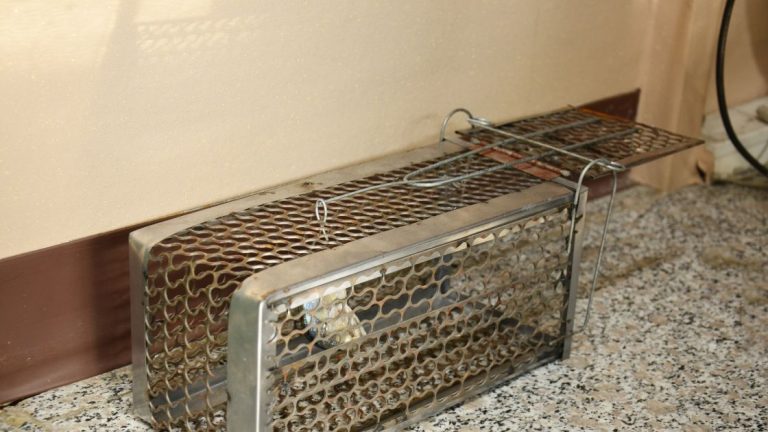

You hear it again: faint scratching in the walls late at night. Maybe it’s nothing. But when it comes to mice and rats, one slight sound often means there’s more happening behind your baseboards, especially if you don’t yet know how to find mice entry points or recognize the early signs of rodents sneaking in. Understanding the common mouse entry points around your home can make the difference between a minor issue and a growing infestation.
At Titan Pest Pro, we’ve seen how a simple mouse problem can turn into a severe rodent infestation without proper mice pest control. One homeowner thought there was just one mouse. When we inspected the exterior of the home, we found multiple mouse entry points, including one from the attic vent to a gap near the gas lines in the crawlspace.

Mice only need a hole the size of a dime to get into your home. Once inside, they chew wiring, contaminate food, and nest in insulation. The key is learning how to identify the entry points and seal those openings before the problem escalates. Once you find where mice enter, you’ve won half the battle.
However, if you’re trying to make a significant home improvement and permanently eliminate mice, you should contact Titan Pest Pro. A professional can determine how mice are entering your home and remove them, ensuring they don’t return. When you have any number of mice in your home, you are usually looking at an infestation.
We’ll go around the outside of your house, searching for entry points to gain a better understanding of how to address the issue. Entry points that are larger should be filled immediately. We’ll find out how they’re getting inside and establishing themselves. They may access areas near pipes or even weep holes.
Start from the outside, then check the inside.
Walk the perimeter of your home and look for cracks, small holes, or chew marks.
Check doors and windows for missing weather stripping or light shining underneath.
Inspect around pipes and utility lines.
Examine the inside of the kitchen and laundry area, especially near the baseboards and corners.
Use flour or baby powder along the walls to check for footprints or droppings.
One homeowner kept finding mice in their home but couldn’t figure out why. We found a small opening around the pipes behind their dishwasher. Once we sealed it with steel wool and caulk, the scratching stopped overnight.
Mice can enter your home through tiny gaps that you might never notice.
During pest inspections, we often find multiple rodent entry points hiding in plain sight. Here are the 20 most common entry points to check around the perimeter of your home.
Worn door sweeps, broken weather stripping, or uneven thresholds leave small openings along the bottom. If you see light shining through, a mouse can get in.

Unsealed areas around plumbing, electrical, or gas lines are common rodent entry points. Check behind sinks and around doors that connect to garages or basements.

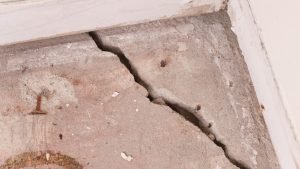
Small cracks and crevices form as homes settle and shift over time. These tiny openings may appear harmless, but mice and rats often use them to gain entry.
Mice are skilled climbers. They crawl up siding, vines, or downspouts and slip into gaps in the eaves, soffit, or gable vent.

Broken vent covers or missing screens are a common entry point. Warm air from these vents provides shelter and attracts rodents seeking a place to nest.
Loose flashing or an uncapped chimney gives rodents in your home an easy access route. Adding a chimney cap helps block entry.

Poorly sealed basement windows or gaps near the baseboard can let mice sneak in through small holes along the foundation.

The space around your air conditioning line is a frequent opening. Mice often follow these gaps into the crawlspace or basement.

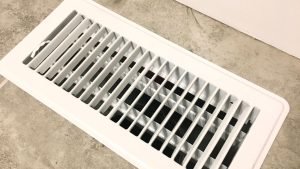
If the vent cover is damaged or missing, this becomes a direct tunnel into your home. Mice can easily chew through thin plastic vents.
Where two rooflines meet, small gaps often appear. These hidden joints are a common entry point for rodents that many homeowners overlook.

Once mice enter through the garage door, they can move through openings near baseboards or walls shared with the kitchen or laundry room.

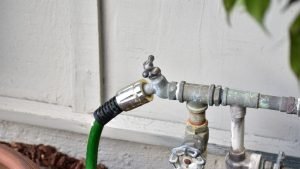
Gaps around outdoor spigots or hose connections can lead directly into wall cavities. Caulk or steel wool can help seal these areas.
Deteriorating seals or cracks around plumbing stacks let mice crawl through the roof into attics. Hardware cloth or screen guards help block these.

In older homes, these drains can connect straight outside. Rodents use them as tunnels, especially in damp basements.
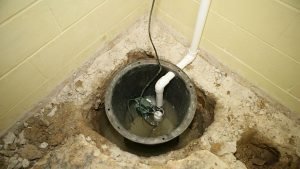
Installers often leave unsealed drill holes for wiring. These tiny openings near siding or trim are often enough for a mouse to squeeze through.
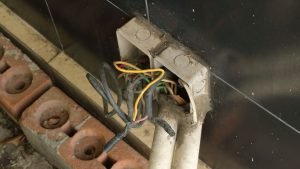
Even small rips in screens near back doors or windows can be an opening. Mice can chew through them within days.

When old and new walls meet, small gaps often remain. These crevices are ideal hiding spots for rodents that nest inside walls.

Once inside, mice travel through insulation and ceilings. Loose hatches and panel seams allow them to move between rooms.

Older chimneys and unused utility chases often connect to basements. Mice use these dark areas for nesting and moving unseen.

Mice burrow beneath decks or stairs to find shelter. From there, they follow small cracks in the siding or foundation to reach the crawlspace.

Yes, mice can fit through holes as small as ¼ inch.
Their ribs flex, allowing them to flatten their bodies and slide through any small gap. If a hole the size of a dime exists anywhere around your exterior doors or siding, that’s enough for entry.
This is why professional pest control inspections matter. We’re trained to look for holes around the perimeter of your home that others miss.
Quick fixes often miss the real entry point.
Many homeowners use spray foam or caulk, but mice can chew through both. We’ve seen infestations return even after every visible gap was filled. The problem isn’t what you can see; it’s the potential entry points hiding under siding, in soffits, and along the base of walls.
We use exclusion-grade materials, such as hardware cloth, metal flashing, and sealants, that prevent mice from chewing through. Our Titan Core Home Protection includes inspections inside and outside the home, so every access point stays sealed for good.
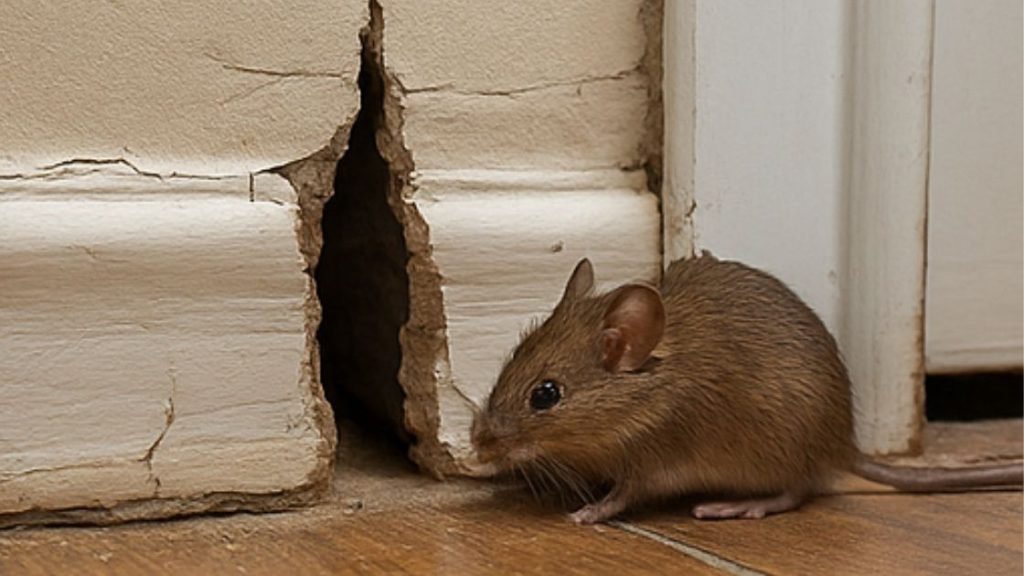
Even one open gap can turn into a full-blown infestation.
Mice and rats multiply fast. They leave droppings, chew wiring, and damage insulation. Ignoring a small hole today could mean replacing drywall or wiring later. According to pest studies, more than 20% of unexplained house fires start from rodents chewing wires.
We once helped a homeowner who ignored a crack near their garage baseboard. Within weeks, a nest had formed in the wall insulation. Once we sealed the gaps and cleaned the area, the infestation did not return.
Professional pest control goes beyond traps and bait.
Our technicians don’t just remove mice; we inspect, seal, and monitor every potential entry point to ensure complete protection. We use tools that detect heat, moisture, and hidden movement in walls or crawlspaces.
We rely on Integrated Pest Management (IPM). This process combines removal, exclusion, and prevention. Our satisfaction guarantee means that if rodents return, we’ll return too.
A family called us about scratching in the walls at night. They had set several mouse traps, but still found new droppings.
Our inspection revealed multiple openings around doors and a gap near the roof soffit. We sealed every entry using steel wool, caulk, and hardware cloth, then followed up with an exclusion plan. Months later, they remained completely mouse-free.
A clean and sealed home keeps rodents from returning.
Follow these maintenance tips:
*Our Titan Core Home Protection offers regular visits to check for new common entry points and keep your home mouse-proof all year.
The following FAQ explains how to find mice entry points, how to seal them, and how professional mice pest control eliminates infestations.
Hire a professional pest control company. We can inspect your home and locate hidden openings both inside and outside.
Use steel wool, copper mesh, or hardware cloth before sealing with caulk. Never rely on foam alone.
Rats need larger openings, about ½ inch. Look for chew marks, greasy rub spots, or droppings near vents and drains.
Look behind appliances, inside the attic, or under insulation for shredded materials and small droppings.
Walk around the outside and look for gaps near siding, vents, and pipes. Professionals use UV tracking powder for confirmation.
They’ll try to chew new ones. That’s why trapping and sealing should happen together.
Combine baiting, sealing, and preventive maintenance through professional pest control. Technicians know how to find entry points to get mice out of your house.
Professional exclusion and trapping. It’s safer, faster, and more reliable than DIY mouse traps alone.
Even the smallest opening can allow rodents to enter. Every homeowner in Springfield, Kansas City, and nearby areas deserves a safe, comfortable, and mouse-free home. Our team at Titan Pest Pro helps protect that peace of mind by finding, sealing, and preventing every potential entry point.
We handle both rats and mice, from small holes to major rodent infestations. Whether you’re hearing scratching in the walls or spotting droppings along your baseboards, we’re ready to help.
Call Titan Pest Pro today to schedule a full inspection and sealing service. Let our experts help you protect your home, inside and out, from every unwanted guest. We’ll keep you home mouse-free.