
Termites may be one of the scariest pests for a homeowner to encounter. They can cause damage to the foundation of your home and often, a termite problem is only revealed when the damage is done. This is why it is so important to get rid of termites when you notice them. Of course, if you know what attracts termites, you can ward off the pest in advance!
In this article, we will look at termites in general, talk about what attracts them, and offer a few tips and tricks for dealing with them. If you think that your home may have a termite colony causing havoc, you can always call us at Titan Pest Pro for a free termite inspection! But we’ll talk about that later.
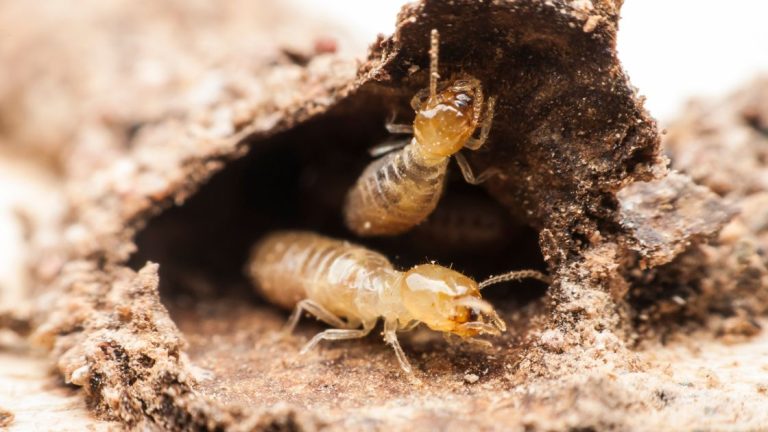
Termites are small, wood-eating insects that can cause significant damage to homes if left unchecked. They feed on cellulose, a component found in wood, making our homes a perfect target for their colonies. But did you know that there are several types of termites?
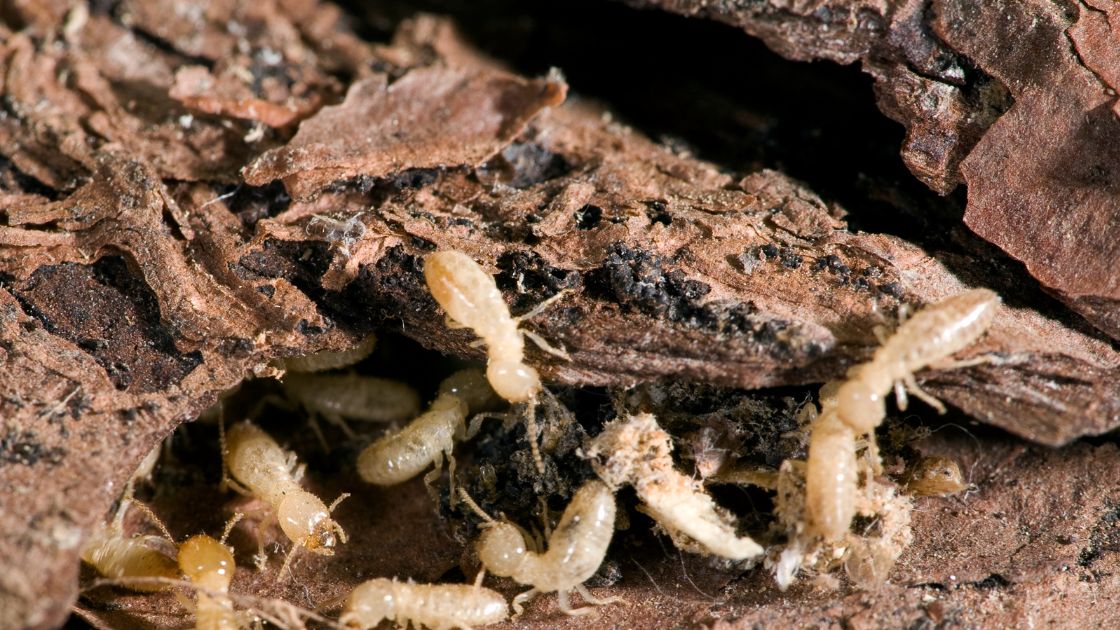
In North America, there are really three species of termites that are commonly found in or around homes. Properly identifying the species plaguing your home is the first step in termite control.
These are the most common and destructive termites. They build their colonies underground and create mud tubes to reach food sources above ground, including your home’s structure. They require moisture to survive, so they are often found in damp areas like clogged gutter downspouts.
Unlike subterranean termites, drywood termites live directly in the wood they consume and do not need contact with the soil. They are typically found in attic wood and can cause damage without any visible signs from the outside.
These termites are larger than their counterparts and prefer wood with high moisture content. They are less common in homes but can be found in wood that has been exposed to moisture or near leaky pipes.
Termites are often called “silent destroyers” because they can be chewing through your home’s structure for years without any immediate signs of damage. Here’s why they are a major concern:
Termites can weaken the wooden supports of your home, leading to costly repairs and structural failures.
The damage caused by termites can be extensive, leading to significant repair costs. In the U.S., termites cause billions of dollars in damage each year.
Because termites often operate hidden away in walls and beneath floors, they can be hard to detect until significant damage has been done.
Understanding the types of termites and the threats they pose is crucial for maintaining the safety and integrity of your home. Regular inspections and preventive measures are essential to protect your property from these destructive pests.
Now, for the main part of this article, we will look at the things that attract termites.
Termites are drawn to moisture. Areas of your home with high humidity, like basements and crawl spaces, are particularly vulnerable. Here’s what to watch for:
Leaky Pipes, Faucets, and Roofs: Regularly check these for any signs of leaks and repair them promptly.
Improper Drainage: Ensure gutters and downspouts are clear and direct water away from your home’s foundation as they love a moist environment.
High Humidity Levels: Use dehumidifiers in basements and crawl spaces to maintain lower humidity levels.
As stated before, the primary food of this pest is wood. This means that you’ll want to check any wood like:
Stacked Firewood Near the Home: If you have wood piles around your house or leaned against the wall of the home, make sure to move them away checking for any signs of termites as you do so.
Wooden Structures in Direct Contact with Soil: Ensure that wooden features like porches and decks have proper barriers to prevent direct contact with the ground.
Mulch and Landscaping Timbers: Use termite-resistant mulch or limit its use near your home’s foundation.
Considering the appeal of the home to them, they love easy access to their food source. Make sure that you look for the following around the home:
Unsealed Entry Points: Seal cracks in your home’s foundation, walls, and around windows and doors.
Gaps Around Utility Lines: Fill gaps around pipes and cables entering your home to block entry paths for termites.
Decaying wood from plants and trees attracts termites, which can result in them infesting your home. Managing this includes:
Dead Trees, Stumps, and Roots: Remove these at least 20 feet away from your home as they can serve as a food source for termites.
Accumulation of Organic Debris: Regularly clear fallen leaves, branches, and other organic material from around your home.
Like any bug, termites need a good place to stay and, sadly, inside your home is a perfect spot for them for the following reasons:
Warmth of Your Home: Termites are attracted to the warmth that homes provide, which attracts them during cooler months.
Protective Shelter Provided by Walls and Floors: These areas provide termites with the necessary protection from the environment and predators, which causes termites to flock to homes.
By understanding why they want to move in, you can take proactive steps to prevent them. Regular inspections and maintenance, along with professional pest control services, can help you keep your home safe from these destructive pests. But how do you know if you have termites?
While preventative methods are helpful in keeping them away, they don’t do much for those already in the house. To help determine this, look for the following signs:
Visible Mud Tubes
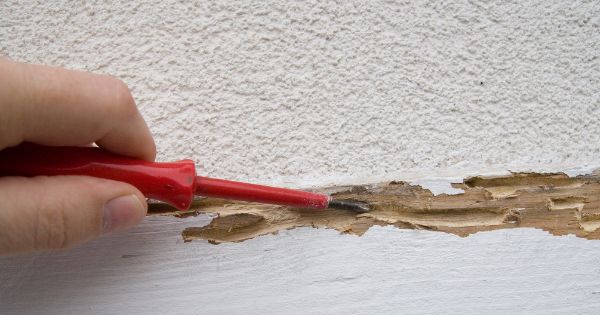
Damaged or Hollowed Wood
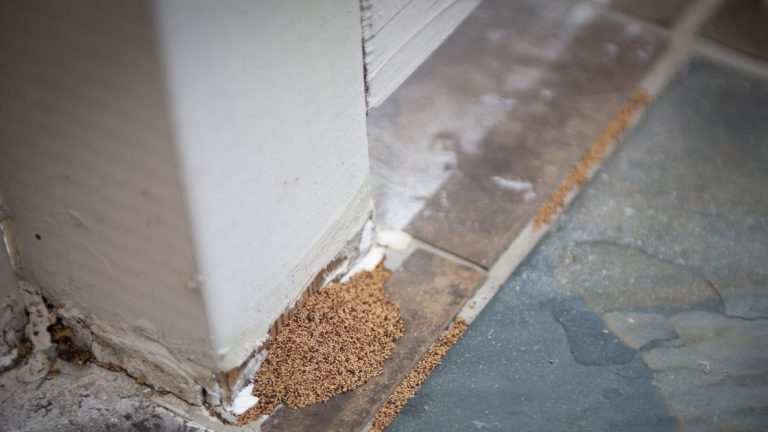
Termite Droppings (Frass): Frass resembles small, wood-colored pellets. Check near wooden structures and in crawl spaces for these droppings as a sign of dry wood activity.
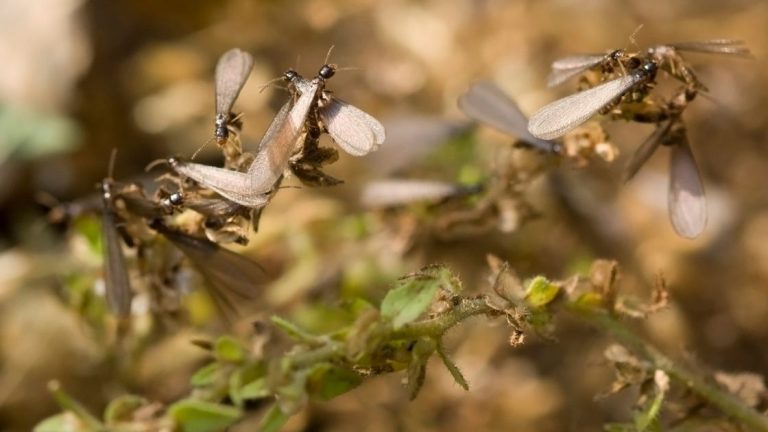
Swarmers and Discarded Wings: Swarmers are winged termites that leave the colony to start new ones. Finding discarded wings near windows or doors is a common sign of termite presence.
Clicking Sounds in Walls: Termites can be heard clicking or tapping inside walls as they eat. This noise is made by soldier termites banging their heads against the wood or by workers chewing.
Moisture Control: Moisture attracts termites. Fix leaks, improve drainage around your home’s foundation, and use dehumidifiers in damp areas to reduce termite attraction.
Wood and Material Management: Store all lumber away from your home’s foundation and off the ground. Consider treating wood with termite repellents or protectants.
Sealing Entry Points: Inspect your home for cracks in the foundation, gaps around pipes, and other openings. Seal these areas to prevent termites from entering.
Regular Yard Maintenance: Remove dead wood, and debris, and reduce the use of mulch near your home’s foundation. Proper mulching techniques involve keeping mulch at least six inches away from the walls.
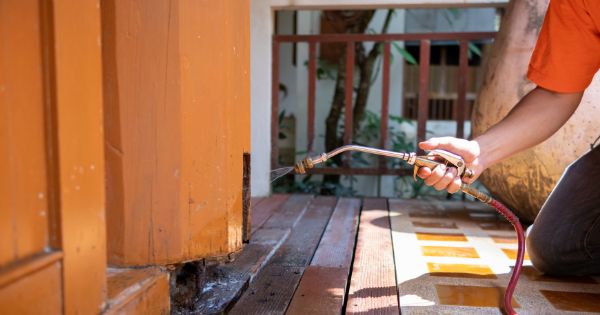
If you find evidence of termite activity or if the DIY inspection feels overwhelming, it’s time to call a professional. Here’s why:
Professional Expertise: Termite professionals have the tools and knowledge to confirm infestations and assess the extent of potential damage.
Effective Treatment Plans: Professionals can provide more effective treatment options that are not available over the counter.
Since these pests can move fast, scheduling regular inspections for them can save you a lot of time and money in the long run. You’ll want to schedule professional inspections at least once a year. These help catch infestations early, reducing the risk of significant damage.
During these, the professional will use specialized tools, such as thermal imaging cameras and moisture meters, to detect termite activity, as moisture attracts termites, without damaging your property.
We at Titan Pest Pro are here to help! We offer tailored solutions to termite infestations depending on your needs. From pet-friendly solutions to expert knowledge about pests, we can guarantee success in ridding your place of any bug! Don’t let termite damage ruin your home, call us today!