
Yellow jackets are more than just a buzzing nuisance. They can threaten your safety and peace of mind. Whether you’re a homeowner, business owner, or property manager in Missouri, knowing what a yellow jacket nest look like is crucial for maintaining a safe and pest-free environment.
At Titan Pest Pro we specialize in professional pest control services that eliminate pests and provide you with the peace of mind you deserve.
In this article, we’ll walk you through everything you need to know about yellow jackets, their nests, and why professional pest control is the safest and most effective solution.
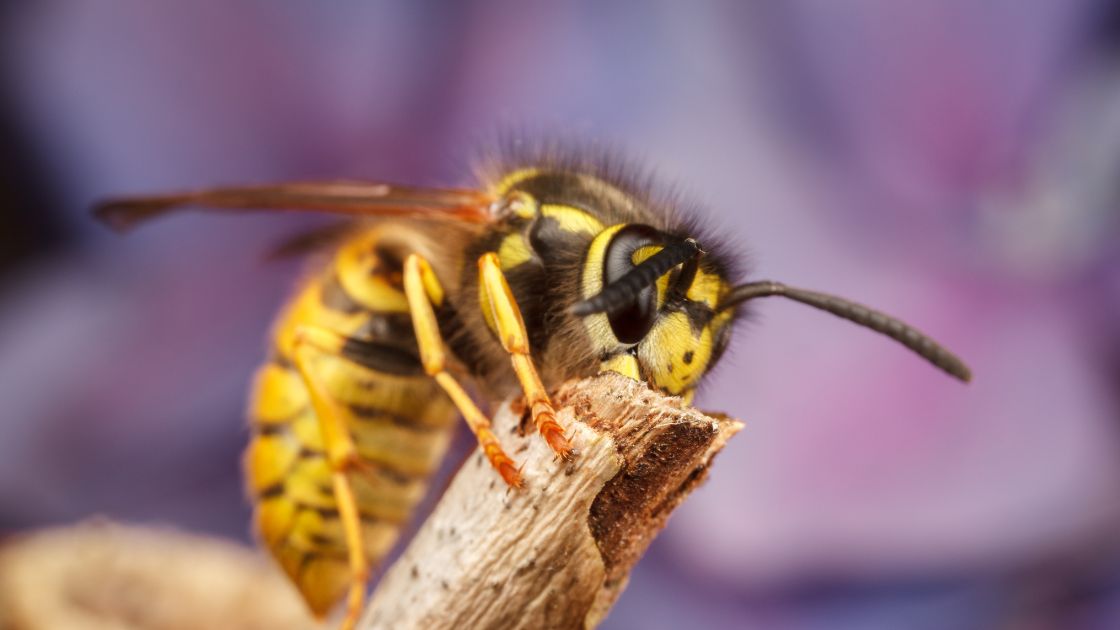
Yellowjackets are often mistaken for bees, but their smooth, black-and-yellow striped bodies and thin legs are distinct. Knowing what does a yellow jacket nest look like helps you spot a problem before it becomes dangerous.
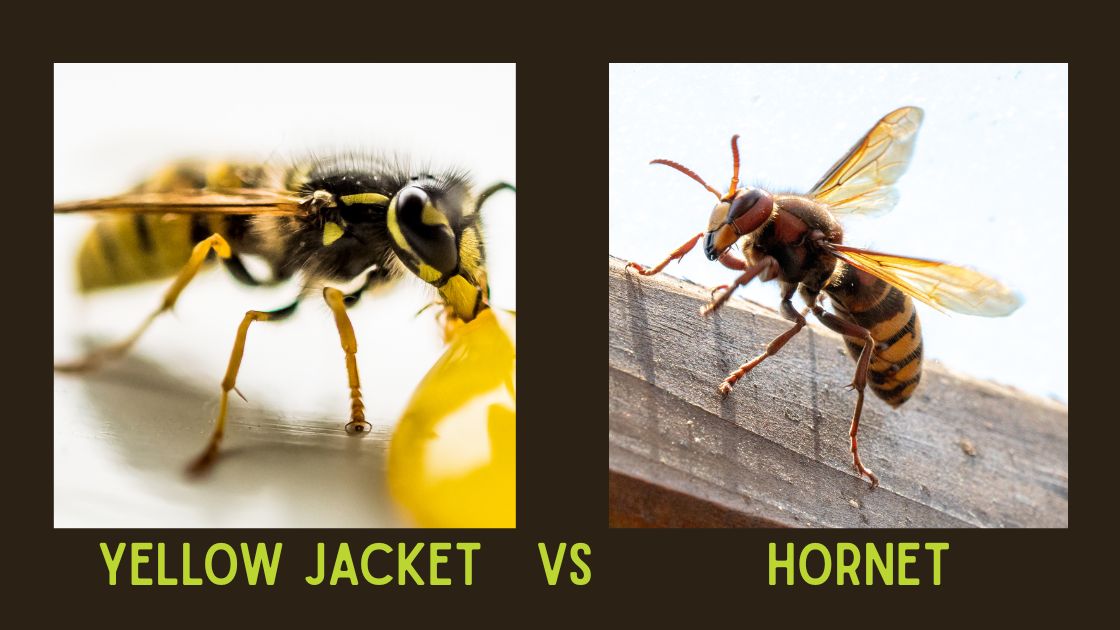
It’s easy to confuse yellow jackets with insects like honeybees, hornets, or paper wasps. Honeybees are rounder and covered in fine hairs, while paper wasps are slimmer and less aggressive. As noted, hornets are larger and more muted in coloring. Knowing the differences can help you identify a yellowjacket problem and take the right steps to address it.
The hornet is also a wasp, like the yellowjacket. However, it has a stockier body and is less aggressive. It builds aerial nests, unlike the yellowjacket, whose nest is usually hidden and not conspicuous.
Hornets are brownish and yellow and therefore more muted than the vibrant yellow and black-marked yellowjacket, whose body is slimmer. The yellowjacket is about 1 inch long, while the hornet is about 1.5 inches long.
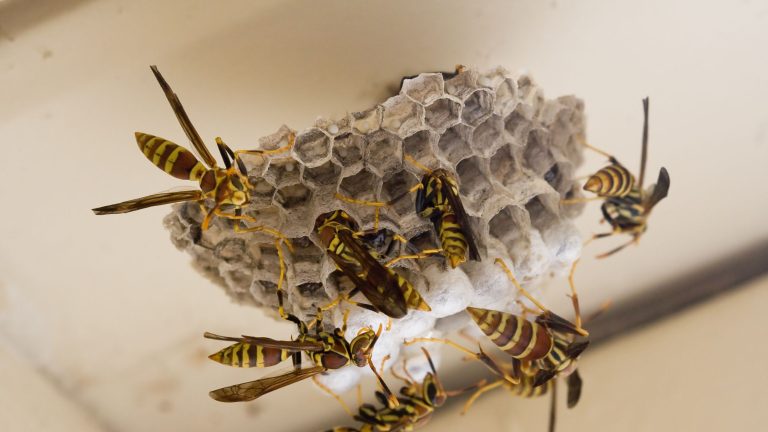
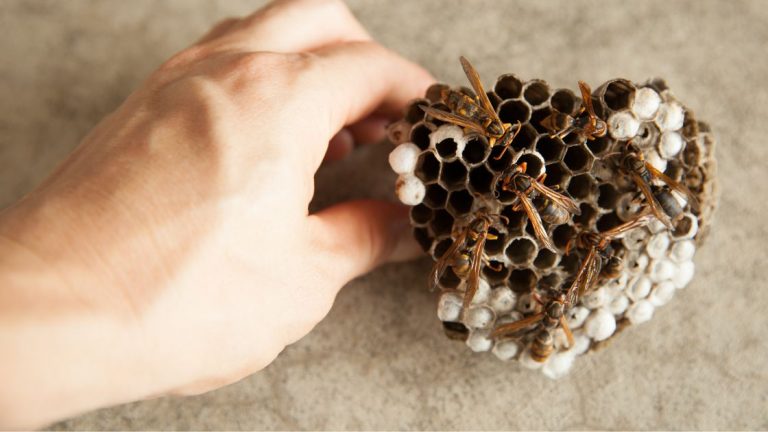
Yellowjackets look similar to bees, but their bodies are shiny, whereas bees have fuzzy bodies. Wondering what does a yellow jacket nest look like compared to a bee’s? The yellowjacket nest is concealed, often appearing as a brown or gray paper structure made from wood fibers and saliva. It may be irregular or round, with a small entrance leading to its hive. By contrast, a bee’s nest is made of wax with hexagonal cells that store honey. Yellowjacket nests are often found in cavities or underground, while honeybee nests are seen in trees or man-made structures.
Yellowjackets, of the genus Vespula, have straight antennas, while bees have elbowed antennas. This makes it easier to tell them apart up close.
Because there is a lot of activity around a yellowjacket’s nest, they can become a real nuisance. They are not pollinators like bees, which use their fuzzy bodies to collect pollen from plants. Instead, yellow jackets are scavengers and prey on insects that like sugary foods and meats.
Yellowjackets are frequently considered more aerial than bees because they forage for food in the air. Honey bees are focused on foraging for pollen and nectar on flowers and building their hives in hollows of trees or other enclosed spots.
Also, black and yellow wasps like human food and sugary drinks, making them a nuisance if not a problem at picnics.
Yellow jacket nests aren’t just an eyesore, they’re a real hazard. These wasps are territorial and will aggressively defend their nests, often stinging multiple times. This makes it essential to recognize what does a yellow jacket nest look like and take action as soon as possible.
Aggressive Behavior: Yellow jackets are social insects that will attack in swarms if they feel threatened.
Health Concerns: Their stings can cause pain, swelling, and in some cases, life-threatening allergic reactions.
Structural Damage: Nests built inside walls or attics can lead to costly repairs if left unchecked.
By identifying nests early, you can prevent these risks and ensure the safety of your family, employees, or tenants.
Yellow jacket nests are fascinating but dangerous. If you’re wondering exactly what does a yellow jacket nest look like, here’s what to look for:
Ground Nests: These nests are the most common type and are often found in abandoned rodent burrows. Look for a small hole in the ground with yellow jackets flying in and out.
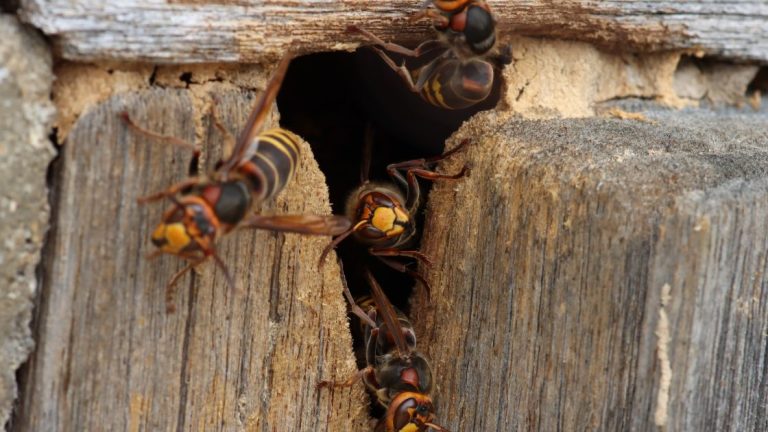
Structural Nests: Found in walls, attics, or soffits, these nests are built in sheltered voids and can cause significant damage if not addressed.
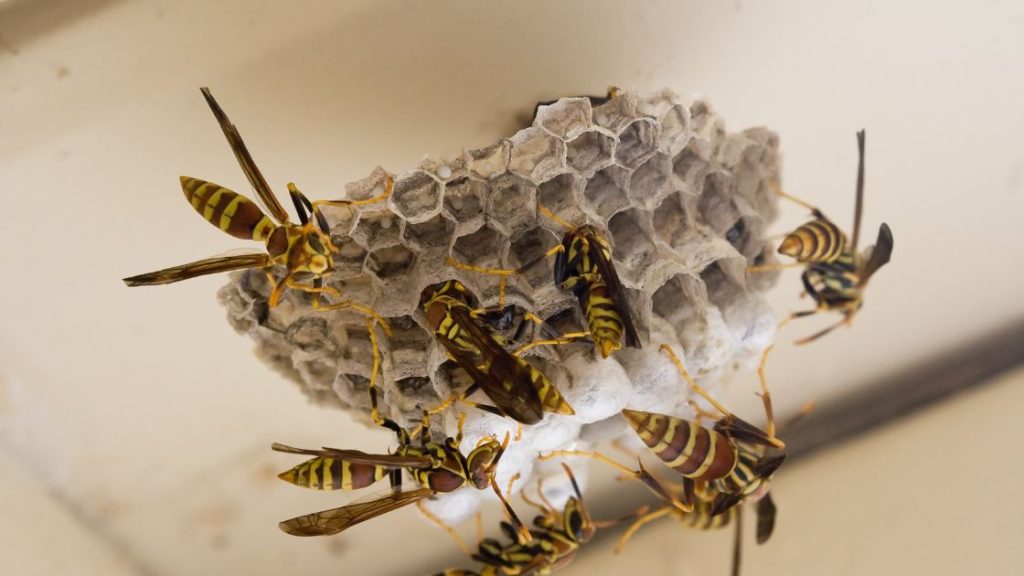
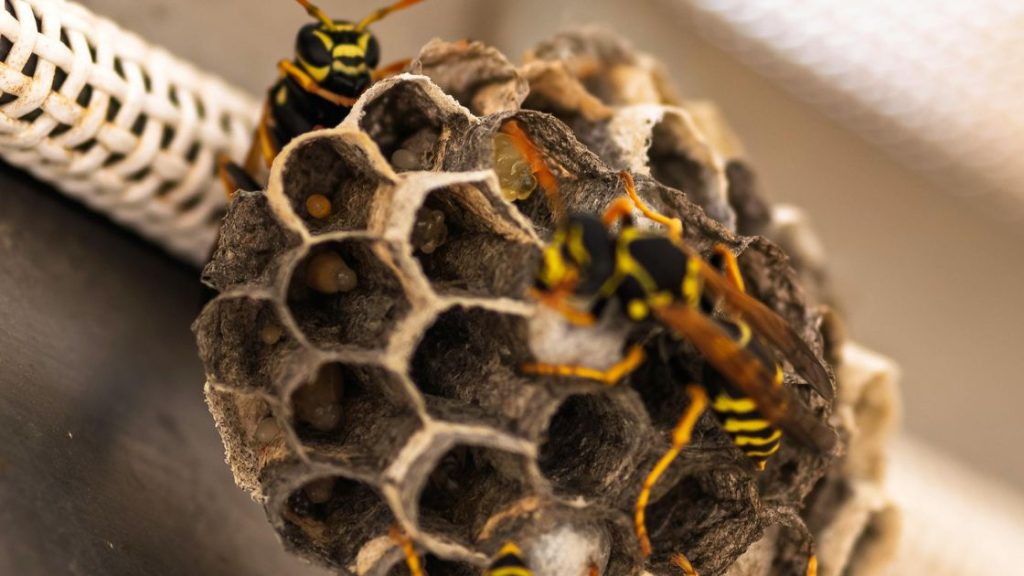
Yellow jacket nests are made from a papery material created by chewing wood fibers mixed with saliva. They are typically gray or brown with a wavy texture and have a single entrance, making them easier to identify.
Finding a yellow jacket nest requires careful observation and a lot of caution. Here are some tips to help you locate one safely:
Observe Activity: Watch for “airport activity,” where yellow jackets frequently enter and exit a specific area.
Listen for Buzzing: A persistent buzzing sound can indicate the presence of a nest nearby.
Look for Entry Points: Check for small holes in the ground or gaps in walls where yellow jackets might be entering.
Yellow jacket nests typically last for one season. Activity peaks in late summer and early fall, as the colony grows to its largest size. As winter approaches, the workers and old queens die off, leaving only the newly mated queens to overwinter and start new colonies in the spring.
No, yellow jackets do not reuse old nests. However, queens may build new nests nearby, especially if the area provides favorable conditions. This is why preventive measures, such as sealing cracks and removing food attractants, are essential.
The queen is the heart of the colony. Without her, the nest cannot survive. Worker yellow jackets will continue their activities briefly, but the colony will eventually collapse. This is why professional pest control focuses on targeting the queen to ensure complete eradication.
Destroying a yellow jacket nest on your own is risky and not recommended. Yellow jackets are highly aggressive and defend their nest if they feel threatened. DIY methods often lead to stings and incomplete removal, allowing the colony to rebuild. Professional removal is the safest and most effective option.
Despite their aggressive nature, yellow jackets play an important role in the ecosystem. They help control pest populations by feeding on other insects and contribute to pollination. However, their benefits don’t outweigh the risks they pose when nesting near humans.
If you notice increased yellowjacket activity, it’s smart to ask yourself, “what does a yellow jacket nest look like?” If you suspect a nest near your home, don’t attempt to remove it yourself—contact a pest control professional immediately. Yellowjackets and wasps may build their papery nest in wall voids or under eaves, which can lead to painful stings. Anyone coming near the nest is considered a threat, so professional help is always safest.
If you have many yellowjackets flying around the house, it stands to reason that a nest is nearby, and you won’t be able to get rid of them with an over-the-counter spray.
Moreover, unlike bees, yellow jackets don’t sting once and leave their stinger in your skin. Instead, they can sting more than once because they don’t lose their stingers and won’t die like a honey bee. A bee’s stinger is barbed, which tears out the stinger, abdomen, and venom sac, causing a fatal injury.
Therefore, it is essential to prevent yellowjackets from invading your property, especially if they’re flying around your home or have made a nest behind the drywall. According to their life cycle, the white and black insects are the most active during the reproductive stage during the summer and fall.
Yellow jackets enjoy tree sap during this time of year and are attracted to spots with dense vegetation.
To prevent yellowjacket problems, pest control professionals must also eliminate the fertilized queens, which won’t happen unless you have professional intervention.
Titan Pest Pro will identify a yellow jacket and where they build their nests if you are experiencing a problem. This is part of professional pest management that helps exterminators do their jobs, permanently removing the pest.
If you have a yellowjacket nest on your property, you need to call us now at (417) 356-3021.

When it comes to yellow jacket nests, professional removal is the safest and most effective option. Here’s how we at Titan Pest Pro handle the process:
Inspection: We thoroughly inspect your property to locate all nests.
Safe Removal: Using industry-approved methods, we remove the nests without causing harm to you or your property.
Preventive Measures: We provide tips and treatments to prevent future infestations.
Prevention is always better than a cure. Here are some tips to keep yellow jackets at bay:
Seal Cracks and Gaps: Close off potential entry points in walls and attics.
Maintain Cleanliness: Keep garbage cans sealed and remove food attractants.
Use Traps: Place yellow jacket traps in areas where activity is high.
The following FAQ about yellow jacket nests will give you a better idea of what to expect.
Professional removal is the safest and most effective method. At Titan Pest Pro, we use specialized tools and family-friendly techniques to ensure your safety.
Look for increased activity, buzzing sounds, and visible entry points. If you’re unsure, our team can help identify and address the issue.
Typically, nests have only one entrance, making them easier to locate and treat.
The queen is larger than the workers and has a more robust body. She is responsible for laying eggs and establishing the colony.
Yellow jackets are a real concern, but when you know what does a yellow jacket nest look like and have the right pest control partner, you can keep your home or business safe. At Titan Pest Pro we’re here to provide expert wasp control services that put your safety first. Whether you have an active nest or want to prevent new infestations, we’re ready to help.
Contact us today to schedule a consultation and take the first step toward a pest-free home or business. Let us handle the pests so you can focus on what matters most.