

Spring and summer in Springfield, Missouri, bring plenty of sunshine and outdoor fun like barbecues, picnics, and family gatherings. But as many homeowners and business owners know, this is also when wasps become active, often crashing the party and causing stress or even safety concerns. At Titan Pest Pro, we’ve seen firsthand how wasps can disrupt homes and businesses by causing painful stings, allergic reactions, and property damage. The good news? By understanding what attracts wasps, you can keep them away!
Near Springfield or Kansas City? Pest control in Springfield, MO · Kansas City pest control
It’s important to note that there are several species of wasps in Missouri, like hornets and yellow jackets. No matter which species you are dealing with, wasps are important for the ecosystem as they are pollinators. Unlike other pollinators like the humble bumblebee, what sets wasps apart is that they can use their stinger multiple times and are more prone to attack if someone gets close to where they build their nests.

According to data from the American College of Allergy, Asthma, and Immunology, insect stings cause over 500,000 emergency visits annually in the U.S., many due to paper wasps and hornets.
For families with children, pets, and for businesses that serve customers or employees, these winged bugs represent a safety risk that shouldn’t be ignored. Understanding their behavior and what attracts them to your property is the first step in prevention.
Like most problems in life, the solution lies within an understanding of the problem itself. So let’s take a look at what attracts these wasps so that we can design ways to keep them at bay.

Wasps have a sweet tooth and are especially attracted to sugary foods and beverages. Keep in mind that this includes fruits as well, which is why picnics are magnets for these bugs.

Since protein is essential for wasp larvae’s growth, the adults are always on the prowl for protein sources like meat scraps or pet food. By throwing these sources away properly, you can deter the insects from setting up home near yours.

Wasps are highly sensitive to the odors emitted by garbage bins and compost piles. Food scraps, especially meat and sugary residues, give off strong smells that wasps can detect from yards away. This makes any open trash can a possible buffet for them.

Given the above items, it would make sense that outdoor tables can be turned into a wasp buffet if the scraps are not dealt with properly. This also applies to not cleaning off any sugar-soaked residue, like a spilled Coke.

Birdbaths, pools, fountains, clogged gutters, and leaky hoses are all favorite watering holes for these bugs. During dry weather, these water sources become critical for wasp survival and attract repeated visits.
Eliminating standing water or keeping water features clean and well-maintained reduces this attractant.

While wasps do play a minor role in pollination due to their love of nectar, their presence near garden beds and flower pots can increase encounters with humans. Strategic planting and regular garden maintenance can help keep them at bay.

Tree sap oozing from damaged trees or wounds contains natural sugars that wasps love as an easy food source. Similarly, fruit that falls to the ground and rots produces sweet smells that wasps find irresistible. Picking up these discarded fruits is important to prevent them from showing up on your property.

Wasps need safe, protected spots to build nests. Eaves, soffits, wall voids, and hollow trees are favorite nesting sites because they offer shelter from weather and predators.
Older homes or structures with cracks and gaps provide perfect opportunities for them to settle. Regular inspections and sealing these potential nesting spots are essential preventive steps.

Warm, undisturbed spaces like attics, garden sheds, and garages provide excellent shelter for nests. Because these areas are rarely disturbed, wasps may establish large colonies undetected.
These spaces also offer protection from rain and wind, which extends wasp activity well into cooler months.

Piles of firewood, branches, or garden debris serve both as shelter and a source of nesting material. Wasps chew wood fibers to create their papery nests, so wood piles near your home or business are prime real estate.
Moving wood piles away from structures and covering them can help reduce wasp nesting.

Wasps are visually attracted to bright colors and floral prints, which mimic the flowers they feed on. Wearing bright clothing or floral patterns during outdoor activities can inadvertently attract wasps to the person wearing these patterns/colors.
Being aware of this can help you plan outdoor activities or dress accordingly to avoid unwanted attention.

Sweet-smelling lotions, perfumes, soaps, and shampoos can confuse wasps into thinking you’re a flower. These scents draw them closer, increasing the chance of them attacking you.
Opting for unscented or lightly scented personal care products during outdoor activities may reduce this risk.

Leaving plates or cups with food or drink residue outside is an open invitation for wasps. Sticky sugars or meat residues are especially attractive and easy to find.
Promptly cleaning dishes after outdoor meals is a simple but effective way to reduce wasp attraction.

Pet waste or feeding areas attracts not only flies but also wasps searching for protein or insects to hunt. Pet food left out for long periods encourages wasps to stick around.
Regularly cleaning pet areas and removing waste promptly helps discourage insects.

Wasps are most active on warm, calm days. Windy or rainy weather reduces their activity because flying becomes difficult. On sunny days with little wind, wasps search actively for food and water, increasing the chance of encountering them near your home or business.
Understanding these weather patterns can help you plan pest control and outdoor activities.
Wasps aren’t just bothersome — they’re a safety risk. For some people, especially those allergic, a wasp sting can trigger life-threatening anaphylaxis.
Moreover, wasps nesting near homes or businesses can be aggressive defenders of their colonies. Children, pets, and workers are at risk if nests are disturbed accidentally.
Wasps nesting inside walls, attics, or structures can also cause property damage. Their nests and activity can degrade insulation and allow moisture or other pests to enter.
Because of these risks, effective wasp control is more than just a comfort issue—it’s about protecting your health, safety, and property.

It might seem tempting to spray wasps yourself or set wasp traps, but these methods rarely solve the problem completely. These bugs are smart and often nest in hard-to-reach places.
DIY methods often only remove wasps currently visible and don’t prevent wasps from returning. This means that you are going to be dealing with the problem time and time again, costing you time, money, and peace of mind.
Professional pest control technicians have the training, equipment, and expertise to handle wasp infestations carefully and thoroughly, no matter the type of wasp.
At Titan Pest Pro, we’re committed to protecting Springfield homes and businesses from wasps with careful, environmentally responsible methods. When you work with us, we offer:
We conduct thorough inspections to find nests, identify the wasp species, and locate attractants to answer your question of “what attracts wasps to my house”.
Every property is different. We tailor treatments using EPA-approved, label-directed products that minimize risks to your family and pets.
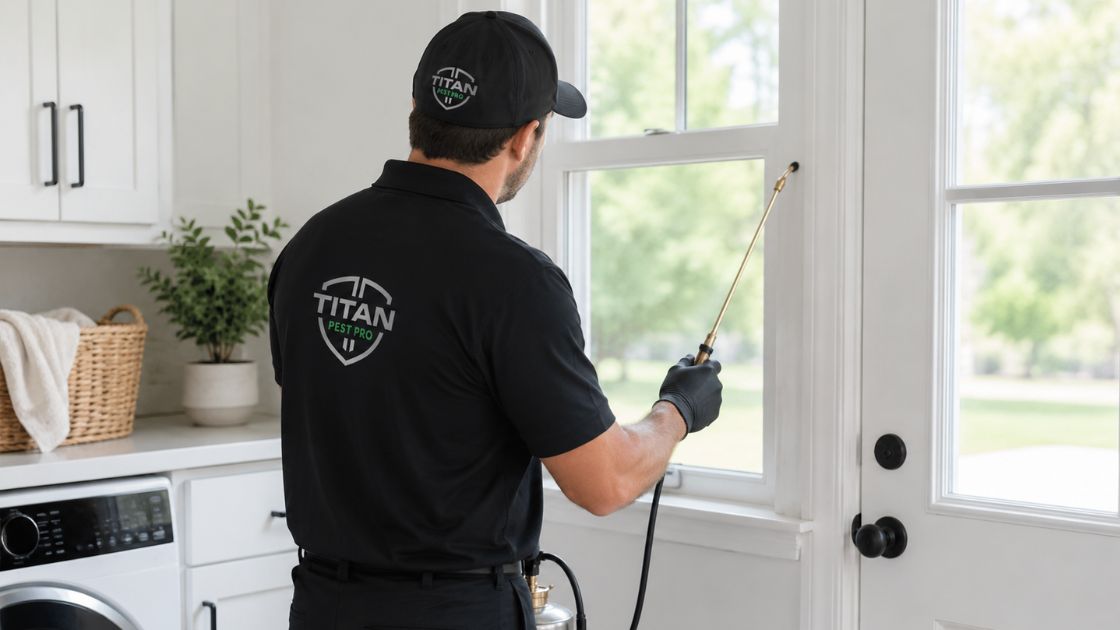
Our technicians carefully remove or treat nests and help seal entry points to prevent future infestations. We also provide guidance on landscaping and waste management to reduce attractants.
We offer seasonal treatments and monitoring to keep wasps away year-round. If you see wasp activity, our team is ready to respond quickly.
While professional help is essential, here are simple everyday habits to reduce wasp attraction:
If you spot wasp nests near your property, or DIY efforts haven’t worked, it’s time to call us. If you or someone in your family has allergies to stings, professional removal is critical.
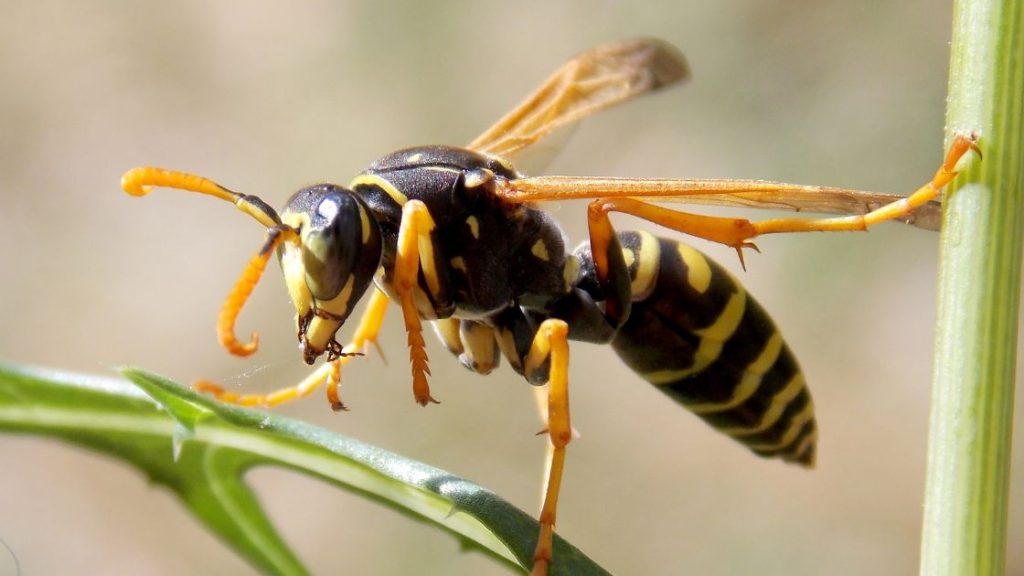
Wasps can disrupt your life and threaten safety, but understanding what attracts them and how to prevent infestations is your best defense. When you need expert wasp control services in Springfield, Titan Pest Pro is your trusted partner.
Don’t let wasps take over your home or business. Contact Titan Pest Pro today for a free inspection and start protecting your property the right way.
Springfield & Kansas City, MO
Pests don’t go away on their own — they multiply and spread while the underlying cause goes untreated. A trained technician can identify what’s actually going on and put a real plan in place.
Book a free inspection. We’ll check the active runs and get you a plan quote right over the phone. No charge, no obligation.
Near you: Wasp control in Springfield, MO · Wasp control in Kansas City, MO