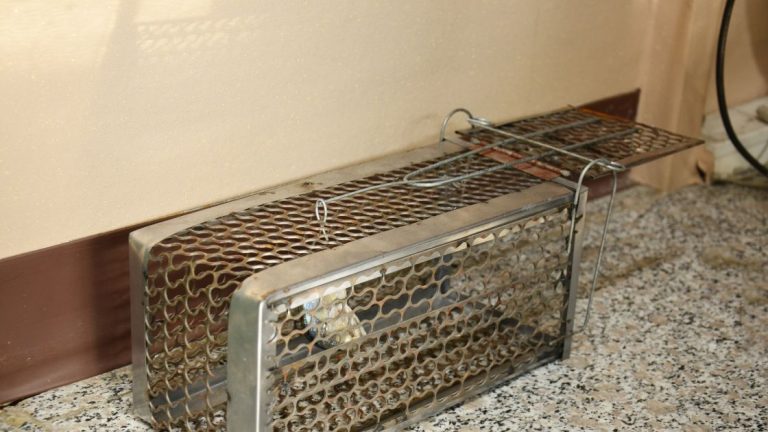

Rats in your home can create stress, frustration, and real damage. They chew through wiring, contaminate food, and move around at night when everyone is trying to sleep. Many people set a few traps and hope for the best, only to find that rats keep returning. That is because rats are clever and fast. When you remove one, another one may take its place. When you want to catch a rat safely and effectively, you need the correct trap, the right bait, and expert tips on how rats tend to behave inside a home.
At Titan Pest Pro, we offer complete rat control services that remove active rats and stop new ones from entering your home. This guide walks you through how rats behave, how to catch them, what traps work best, and when you should call a professional for long-term results. Our team handles everything from snap traps to humane traps, making it easier for you to protect your home and family.
Why Rats Become a Problem
Rats do not enter homes by accident. They look for food, water, and shelter. When seasons change, they search for warm, safe places where they can hide, eat, and breed. Your home gives them everything they want. Once they multiply, even small rodents can turn into a large colony. It is important to identify the difference between mice and rats to ensure you are using the correct-sized traps. Rats travel along predictable paths, often returning to the same nest and food sources every night.
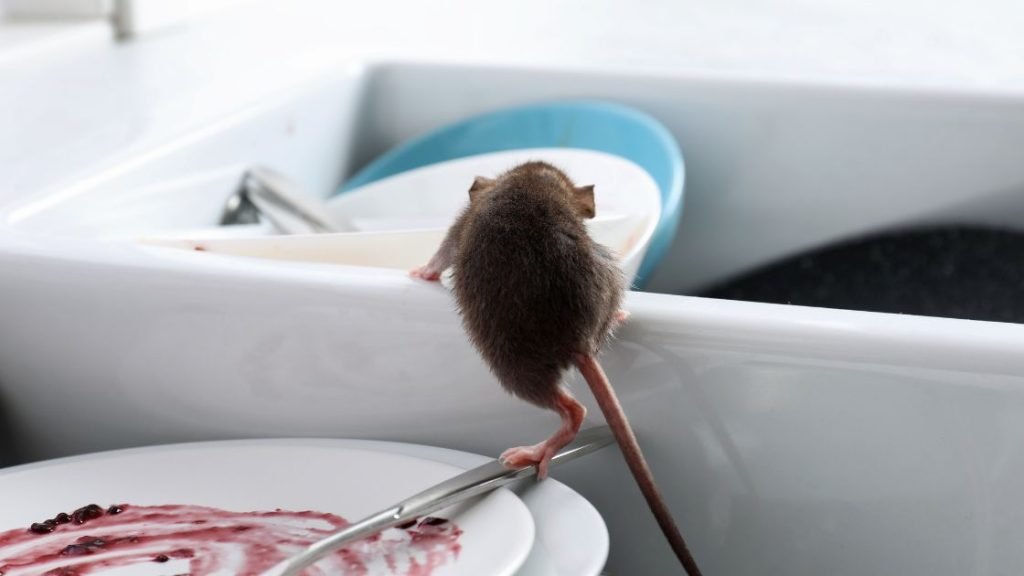
Rats can spread bacteria and make surfaces unsafe. Furthermore, homeowners should be aware of the risks of rodent bites when dealing with an active infestation. They chew insulation and wiring, which can lead to electrical issues and other forms of costly damage rodents cause to a home’s structure. They also leave dropping piles along walls, inside crawl spaces, and in the basement. In addition to that, they damage stored pet food, chew plywood, and often squeeze through holes you did not know existed. Brown rats and roof rats cause similar issues indoors, while Norway rats tend to stay closer to the ground.
Homes in Missouri deal with rat problems throughout the year because our weather shifts often. Cold days, heavy rain, and nearby fields or wooded areas make homes appealing. Older houses with gaps around wiring or vents give rats easy entry points. If you do not seal entry points early, rats tend to find their way back even after you trap rats successfully.
When you understand why rats enter your home, you can take better steps to catch them and prevent future activity.
How Rats Enter Your Home
Rats can squeeze through very small spaces. Even a small gap near a door or pipe can give them an opening. They climb walls, run along tree branches, and even jump from roof to roof. They also dig under structures and push into weak spots. You may see gnaw marks in these areas if you have rats around your home.
Here are some of the most common entry points
-
Gaps around doors
-
Cracks in foundations
-
Openings in roofs
-
Unsealed vents
-
Holes near plumbing or wiring
-
Gaps in siding
-
Damaged screens
Rats prefer dark areas where they can move without being seen. They travel along walls rather than open floors. This behavior helps you decide where to place traps, because traps along walls with the bait side facing the wall tend to catch more rats. When you set the trap, make sure the trigger is sensitive enough to catch a live rat instead of letting it escape.

Where Rats Hide Once Inside
Once rats are in your home, they look for quiet areas close to food and water. You may not see them during the day, but they leave signs behind. When you find droppings near droppings piles, shredded paper, or chew marks, it often means the rat nest is close by.
Rats often hide in
-
Attics
-
Basements
-
Wall voids
-
Behind refrigerators
-
Under sinks
-
Garages
-
Storage areas
Rats build nests using paper, insulation, cardboard, and clothing. They choose areas near attractants such as crumbs, pet food, and unsecured compost. If you do not remove clutter, these hiding spots grow even more appealing to rodents. The scratching sounds of rodents living in your walls often indicate they are moving between the attic and basement overnight along familiar travel paths.
When you hear scratching, find droppings, or notice damaged food packaging, it means they are active. The next step is catching them before the situation gets worse.
What Is the Best Way to Catch Rats
The best way to catch a rat is to use the right traps and place them where rats tend to travel. Rats follow the same travel paths every day. When you place traps along walls, behind appliances, or near droppings, you greatly boost your chances of success. Using several traps at once gives even better results. When you set traps correctly, you reduce attractants and keep the rodent population from growing.
Step-by-Step Guide on How to Catch Rats Safely and Effectively
Catching rats is not about luck. It is about preparation, placement, and patience. When you rush the process or skip steps, rats learn quickly and avoid traps altogether. Follow these steps carefully to improve your chances of success and reduce repeat activity.
Step 1: Confirm Rat Activity
Before you place traps, make sure rats are active in your home. Look for fresh droppings, gnaw marks, grease marks along walls, and scratching sounds at night. Fresh droppings are dark and soft, while older ones are dry and crumbly. Being able to identify the rodent droppings is crucial for pinpointing active areas and avoiding placing traps where rats no longer travel.
Step 2: Remove Easy Food Sources
Rats will ignore traps if easier food is available. Clean crumbs, seal trash bins, store pet food in hard containers, and remove open food from garages or basements. When you remove other foods that attract rodents, hungry rats become much more likely to investigate your baited traps.

Step 3: Choose the Right Trap
Select traps based on where the rats are active and your comfort level.
-
Use snap traps for fast results in tight areas
-
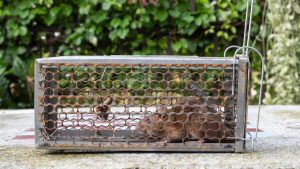
Use cage traps if you prefer a live-catch option
-
Use electronic traps in areas where cleanliness matters
Avoid relying on only one trap type. Rats behave differently, and using more than one option improves results.
Step 4: Wear Gloves When Handling Traps
Rats can smell human scent. Always wear gloves when setting traps and applying bait. This reduces suspicion and prevents rats from avoiding the trap.

Step 5: Use the Right Bait
Peanut butter is one of the most effective baits because it smells strong and sticks to the trigger. Dried fruit, nuts, or small pieces of dog food also work well. Use a small amount so rats must interact with the trigger to get the bait.

Step 6: Place Traps Along Walls
Rats do not run across open floors. They travel along walls, pipes, and edges. Place traps perpendicular to the wall with the baited side facing the wall. Focus on areas behind appliances, under sinks, along basement walls, and near droppings.

Step 7: Use Multiple Traps at Once
Setting one trap rarely solves a rat problem. Place several traps in active areas to increase your chances. Rats may avoid one trap but get caught by another nearby.

Step 8: Pre-Bait if Rats Avoid Traps
If rats keep taking bait without triggering the trap or avoid traps completely, try pre-baiting. Place bait on the trap without setting it for one or two days. Once rats feed comfortably, reset the trap with the trigger active.
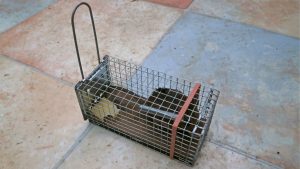
Step 9: Check Traps Daily
Check traps every day. Remove caught rats promptly and reset traps as needed. Leaving traps unchecked can cause odor problems and reduce effectiveness.
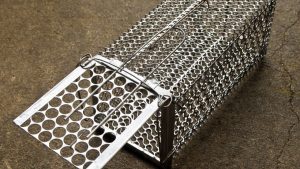
Step 10: Seal Entry Points After Trapping
Catching rats without sealing entry points leads to repeat infestations. Use steel wool, caulk, or metal mesh to block gaps around pipes, vents, doors, and foundations. Rats will return if access points remain open.
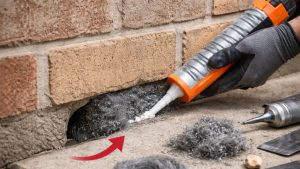
If rats continue to return despite repeated trapping, professional pest control services from Titan Pest Pro offer a long-term solution. Our experts locate nests, seal entry points, and use proven methods to remove rats safely while preventing future infestations.
Why Do DIY Methods Fail
Many homeowners try traps for weeks without progress. Rats avoid danger and often walk right around a rat trap. If you do not set the trap correctly or place traps in the wrong areas, you will not catch a rat. Many people also mistakenly rely on scents and smells that affect rats as a primary defense, but these rarely solve an established infestation without physical trapping.
Common DIY problems include
-
Only setting one trap
-
Using old bait
-
Putting traps in open areas
-
Leaving food sources out
-
Not sealing entry points
-
Not removing clutter
-
Not wearing gloves when handling traps
You might catch one rat but still have more hiding in walls or the attic. Without blocking access points, the problem continues. Rats tend to find their way back unless you seal every gap using steel wool and caulk.
If DIY traps are not solving the issue, review the professional rodent exterminator cost before scheduling help.
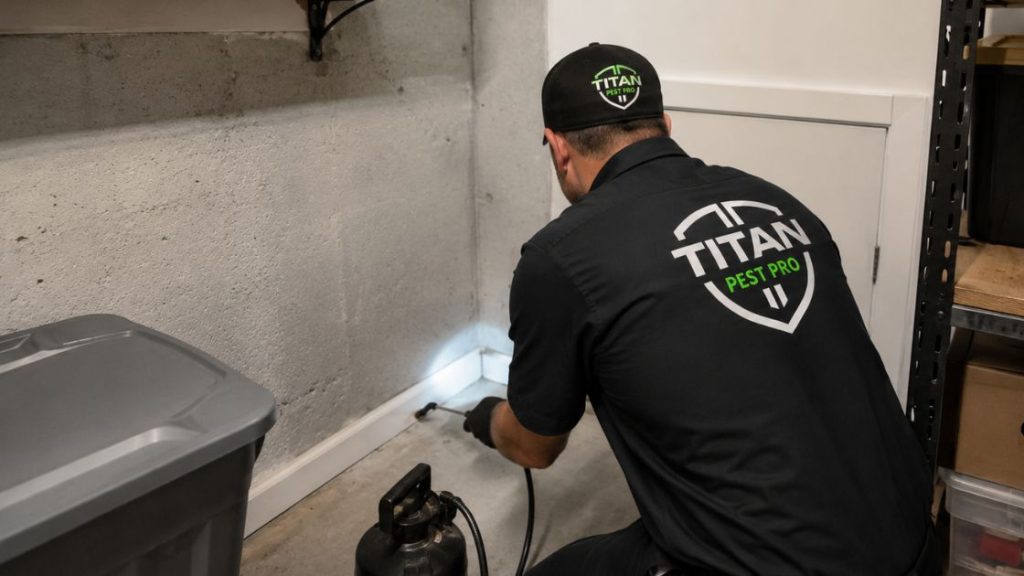
How Titan Pest Pro Handles Rat Problems
Our team uses a complete approach. We locate nests, identify attractants, and set traps in the right spots. We understand how rats travel along walls, and we know the best rat traps to use for each situation.
Here is what our process includes
-
Full inspection of the home
-
Finding gnaw marks and active pathways
-
Locating nests and crawl space entry
-
Safe trapping methods
-
Blocking entry points
-
Cleaning and sanitizing areas
-
Follow up visits
-
Checking traps daily if needed
We use commercial-grade traps, bait stations, ultrasonic options, and exclusion materials that homeowners do not usually have.
Long-Term Rat Prevention Tips
Once rats are removed, you need a long-term plan.
- Seal Gaps
Use steel wool, caulk, or metal mesh to block holes. Rats squeeze through holes you may overlook.
- Store Food Correctly
Keep food in sealed containers. Store pet food in thick containers instead of bags.
- Remove Clutter
Clutter gives rodents hiding spots. Clearing clutter helps keep them away.
- Trim Plants
Plants touching the home become bridges for roof rats.
- Fix Water Problems
Leaks attract rats. Removing moisture reduces attractants.
When Should You Call a Professional
You should call a professional when
-
Rats keep returning
-
You see droppings around your home
-
You hear rats inside the wall
-
Traps stop working
-
You see multiple rats
Our team knows how to trap rats safely, set traps properly, and use expert tips to stop future activity.
Frequently Asked Questions (How to Catch Rats in Your Home)
The following FAQ will help you understand how to identify, prevent, and remove rats from your home.
How do I know if I have rats?
Look for droppings, gnaw marks, scratching sounds, and damaged food packages.
Why do rats keep coming back?
They return because entry points remain open or food sources are untreated.
What bait should I use?
Peanut butter, nuts, or dried fruit work well in most rat traps.
How long does removal take?
Most homes see improvement within a week when traps are placed correctly.
Can rats spread bacteria?
Yes. Droppings and urine can contaminate surfaces.
Stop Rats for Good With Professional Rat Control
Catching rats is not always simple. You may set the trap and use peanut butter as bait, but rats that avoid traps can still hide inside walls, attics, and crawl spaces. Many homeowners also use glue traps or mouse traps, but these do not always stop Norway rats or roof rats.
Titan Pest Pro provides complete rat control that removes rats, seals entry points, and protects your home. We use the best rat traps and proven methods to trap rats safely and keep them away for good.
You do not have to handle rats alone. We offer a free inspection to help you understand the problem and the best steps to remove it. Call Titan Pest Pro at (888) 343-9939 to schedule your free inspection and protect your home and family with safe, effective pest control.